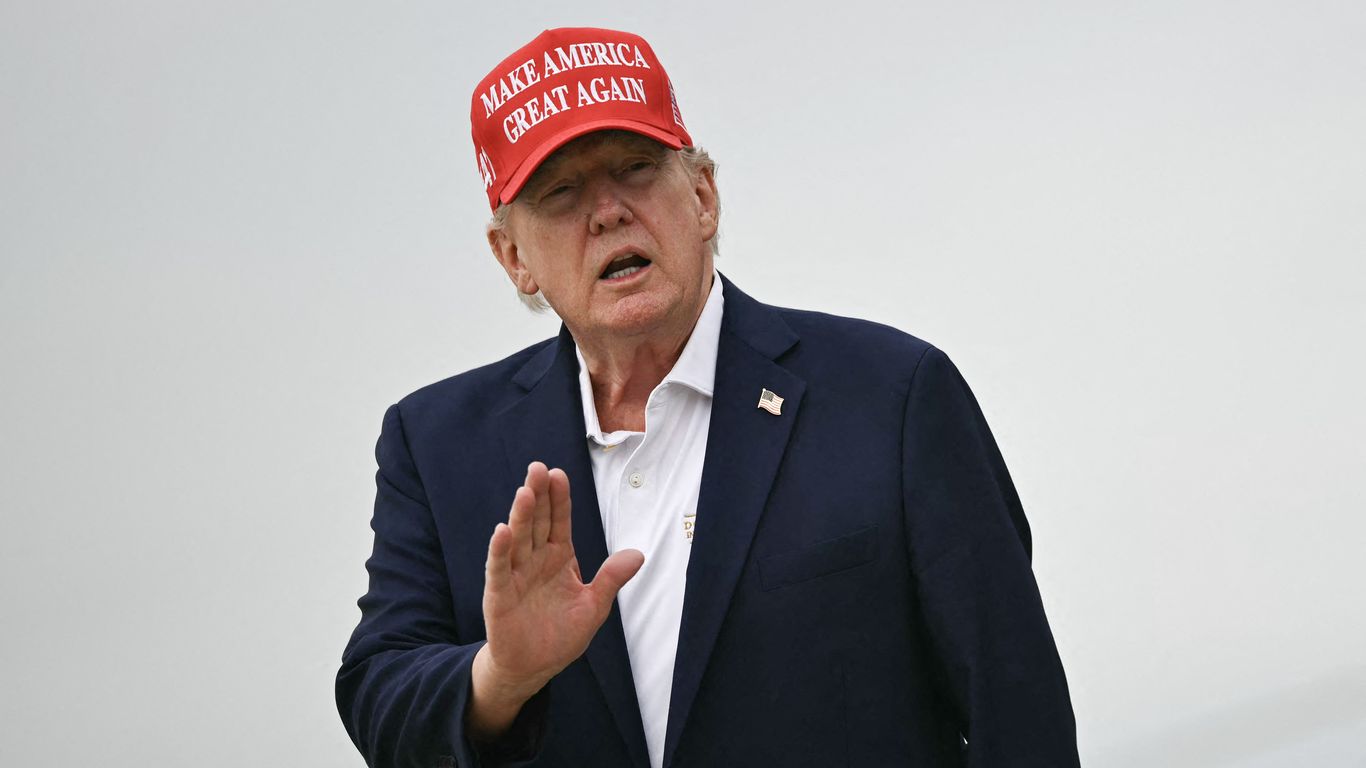
Trump orders the Pentagon to cut U.S.–South Korea military drills, granting a demand North Korea has made for decades
In a Sunday, Aug. 16 post, he told Defense Secretary Pete Hegseth to "substantially reduce" the joint exercises, calling them costly and "hostile" to Pyongyang.
What Trump's last drill freeze, in 2018, actually changed: He called the drills "war games" and "provocative" at the June 12, 2018 Singapore summit with Kim; the Pentagon suspended Ulchi Freedom Guardian six days later, on June 18. The Pentagon put the cost of that one canceled exercise at about $14 million — roughly 0.002% of that year's $700 billion defense budget. Field training stayed shrunk or renamed for four years; full-scale exercises did not return until August 2022, under Ulchi Freedom Shield. North Korea ran no nuclear test during the pause, and more than a dozen rounds of missile tests in 2019, the year the Hanoi summit collapsed.
ContextAbout 28,500 U.S. troops are stationed in South Korea under a 1953 mutual defense treaty. The Korean War ended in an armistice — a truce, not a peace treaty — so the two Koreas are still technically at war. Under a 2024 cost-sharing deal, Seoul pays roughly $1.1 billion toward that presence this year, about 0.1% of the $896.88 billion the United States spent on national defense in 2025. President Lee Jae-myung took office in June 2025 promising warmer ties with Pyongyang.
THE HILL10 sources