EXECUTIVE SUMMARY:
NEWS NEWS
-
SCOTUS Rulings: Trump granted partial immunity; Chevron deference overturned
-
Election Strategy: Trump team prefers Biden to stay in 2024 race
NOT NEWS NEWS
-
Healthcare: Tennessee to allow foreign doctors to practice
-
Economy: Immigration driving strong U.S. economic growth
-
Infrastructure: Rapid highway repair showcases U.S. capability
-
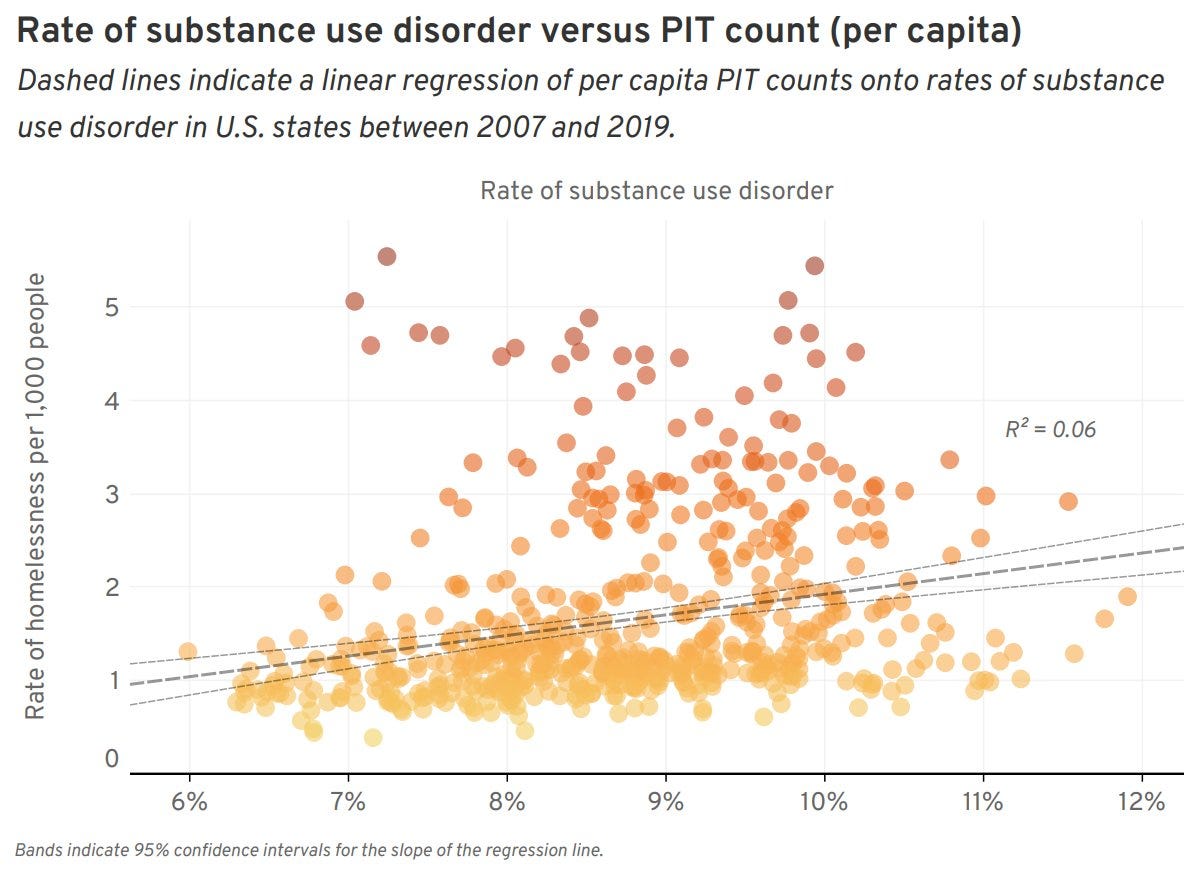
Homelessness: Data reveals correlations with rent, poverty, and substance abuse

1.) SCOTUS RULINGS
A.) Trump Immunity: SCOTUS rules Trump has absolute immunity on “official acts,” but not undefined “unofficial acts.”
“Well, when the president does it, that means that it is not illegal.”**** Becomes law.
6-3 with liberals dissenting. [TS] Amy Coney Barrett, by the way, was principled enough to say conspiring to have your electors lie and cast fake electoral votes as part of a scheme to have your opponent's state-certified electoral votes discarded by the VP, all in order to overturn election results, is in no sense an official act.
HIGHLIGHTS:
Roberts says that the federal cases against Trump cannot continue if he returns to the White House for another term.
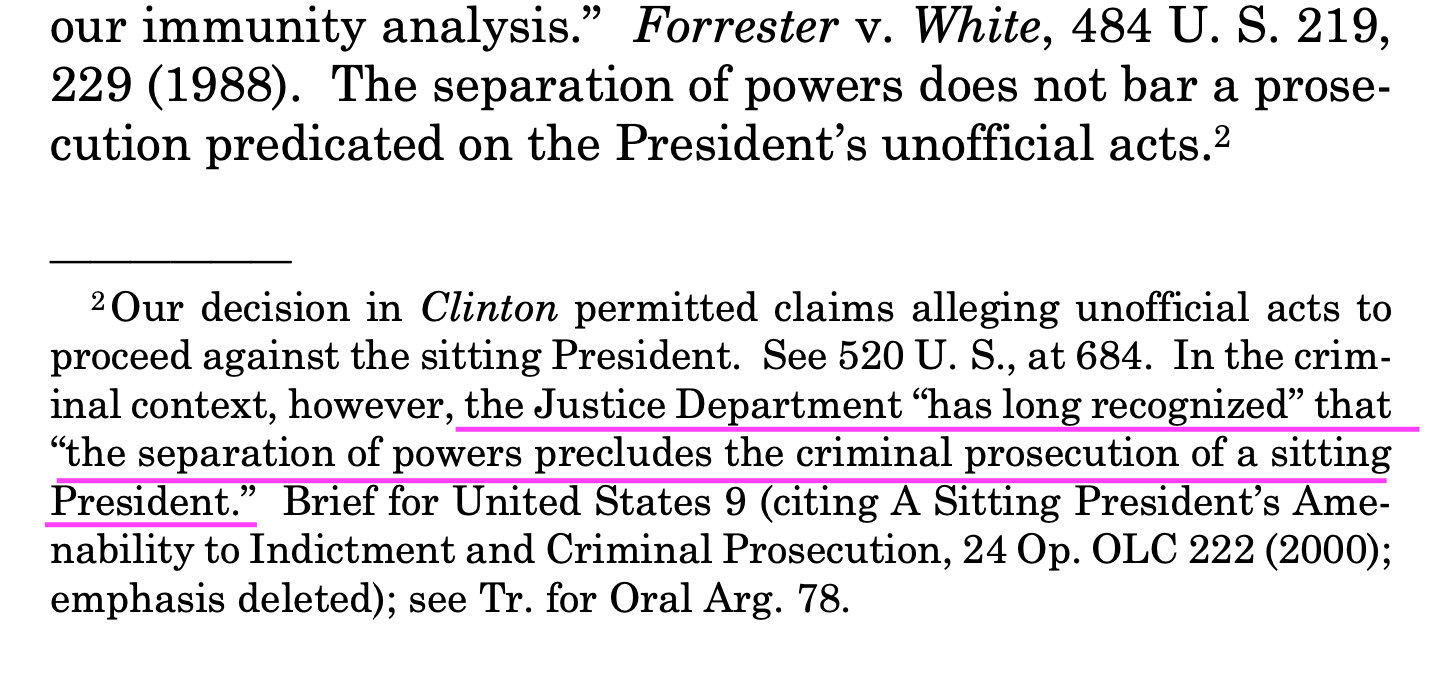
Robert’s decrees the end of DOJ independence (pg 20):
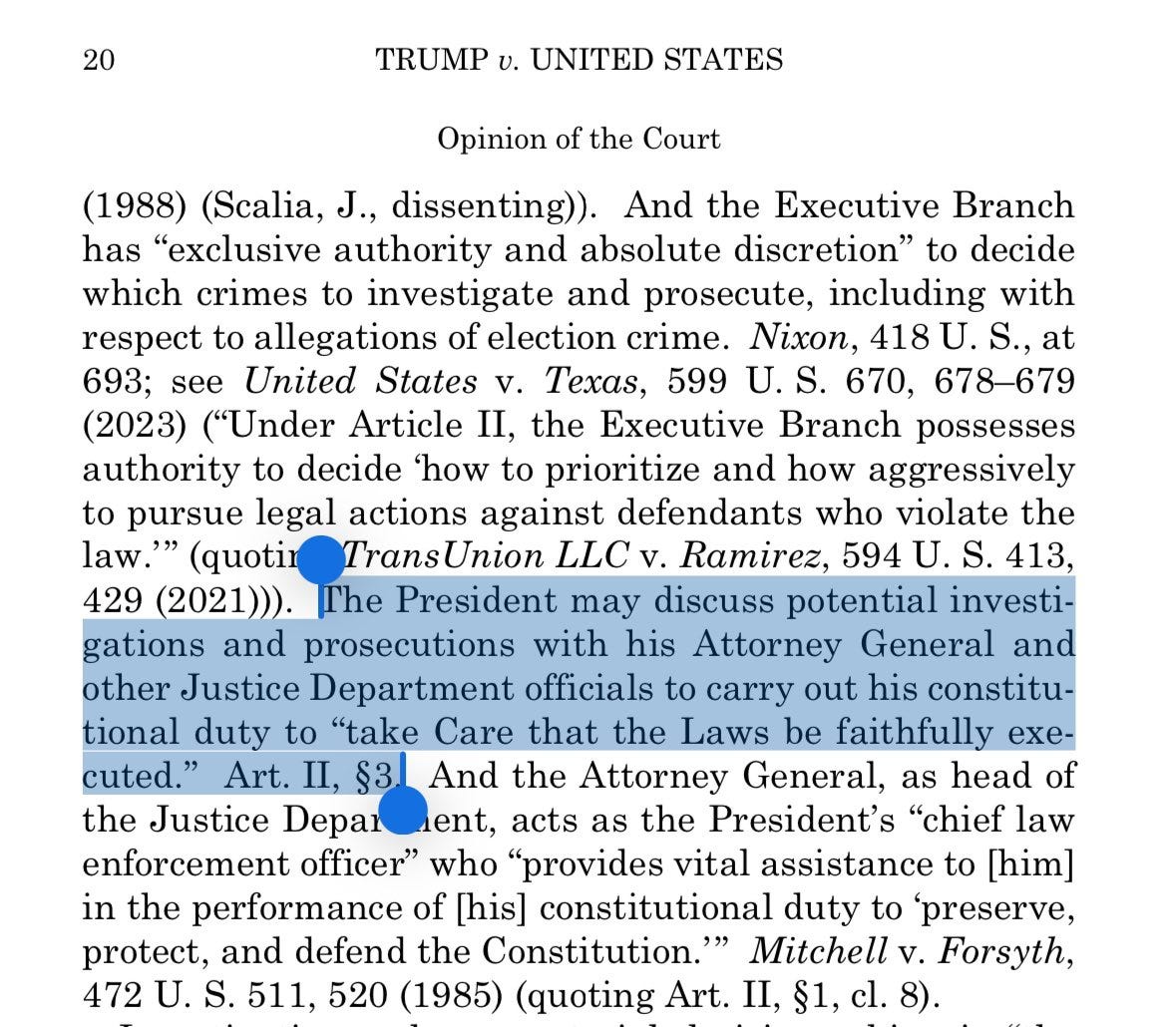
[TS] Just unreal….
The court has essentially wiped out the Jeff Clark-related portion of the Trump indictment:
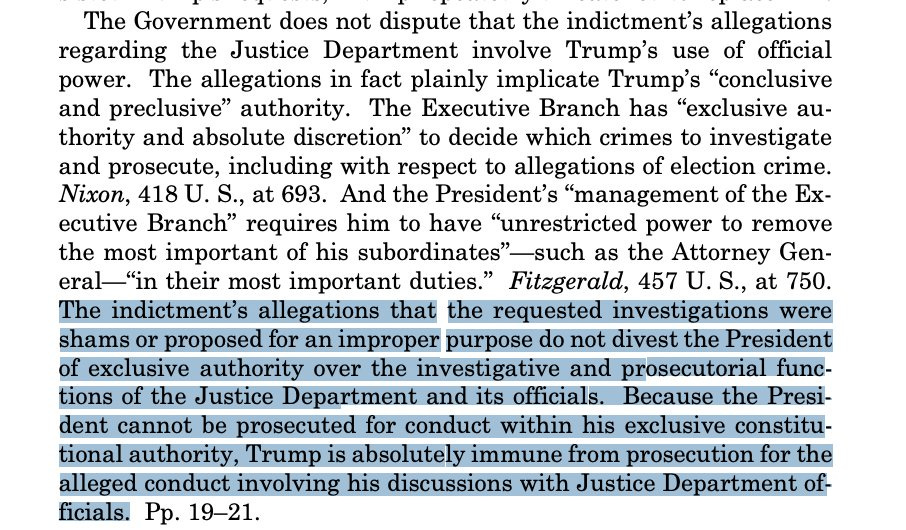
[TS] The DOJ stuff was probably the most egregious abuse of his direct power as president and would have created an even worse crisis had it been successful
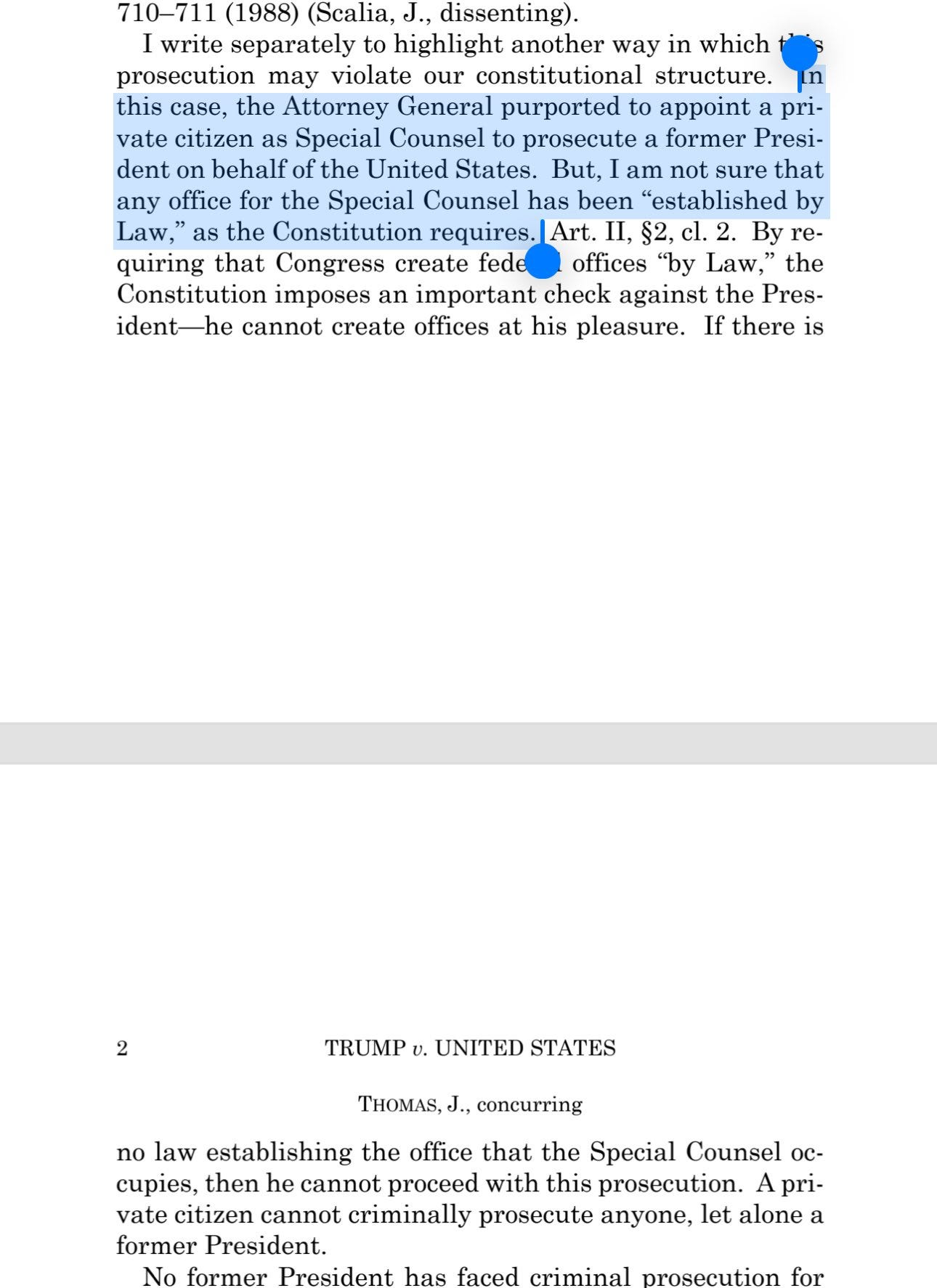
If Judge Cannon decides to toss out Trump’s classified documents case on grounds that Jack Smith was unlawfully appointed, she now knows that she has at least one Supreme Court justice (Thomas) who would likely agree:
"Testimony or private records of the President or his advisers probing such conduct may not be admitted as evidence at trial."
Per Asha Rangappa:
Even more extraordinary, the Court says you cannot use an official act as evidence (as opposed to charging the act itself as a crime)...makes it unclear how you would prosecute presidential bribery or treason -- both crimes MENTIONED IN THE CONSTITUTION
Seth Abramson unpacks a few ideas from the ruling. An excerpt:
The game of chicken SCOTUS has established is this: President Biden can only make use of this ruling if he intends to do so in a way that a) conclusively protects democracy from Trump, b) could land him in jail pursuant to a notional 2025, 2026 or 2027 ruling from this Court.
So for instance, President Biden can issue an internal executive-branch finding that Trump engaged in insurrection, and on that basis direct DOJ to ensure he is not on the ballot in November. He would then lose to whoever replaced Trump and face imprisonment under that new POTUS. (And I want to be very clear and quick in saying that President Biden will not do any of that.)
But could President Biden do things we’d never have dreamed he’d do to protect America from Trump so long as he’s willing to face jail years from now when it turns out that—before this Supreme Court—all MAGA POTUS acts are official and all Democratic ones unofficial? Yes.
You might say, but Seth, he already can do that (as long as he’s willing to face jail)! But the answer is actually no, he couldn’t—before today. Because before today he wouldn’t have a Supreme Court doctrine to justify his actions and the benefit of a long adjudicative delay.
Before today, the actions that are now possible for President Biden would have (a) led to immediate impeachment and removal, and (b) a likely indictment before November. Now he can say, I am doing these things under the ruling in Trump v. United States, and furthermore, Democrats in the Senate could refuse to convict him (as of course the GOP House would impeach him immediately) on the same grounds: the president was engaging in official acts under Trump v. United States. By the same justification, his DOJ would not charge him for his acts.
And of course if he still won in November, he’d never face prosecution. If he lost, SCOTUS has now created an adjudicative regime that’d probably ensure that it would be years before a criminal case against (a post-presidency) Biden could wend its way through the courts.
So whatever President Biden does—which I believe will be nothing—he must be mindful that this holding today was explicitly constructed to wound and hamstring him and aid and relieve Donald Trump, and that he would have to act in startling fashion to break through that reality.
(CONCLUSION) Having walked through these thoughts in real time, my advice to President Biden is... ...do nothing. The ruling’s so deviously crafted—in its process, context, acts and omissions—that it’s a trap for any person of good conscience, even as it’s a weapon for monsters.
SCOTUS has made itself the ultimate umpire of what is "official" or "not official," thereby giving itself power to determine which prosecutions are warranted and which aren't. Basically, they've made themselves, not POTUS, the kings here
Also of note:
-
In Sep 2005: Chief Justice John Roberts at his confirmation hearing: “No one is above the law under our system and that includes the president. The president is fully bound by the law.”
-
In Feb 2021 after the Jan 6th riot: Mitch McConnell: “Trump is still liable for everything he did while he was in office…We have a criminal justice system in this country. We have civil litigation and former presidents are not immune from being held accountable by either one.”
-
[TS] A president who got fewer votes than his opponent appointed a third of the court, which then decided it's legal for him to try to stay in power by force after losing reelection.
-
[TS] How can a military commander refuse an illegal order from someone who is issuing it as an official act?
B.) Chevron v. Natural Resources Defense Council: Supreme Court strikes downChevron, curtailing power of federal agencies
6-3 along party lines.
A six-justice majority on Friday sharply cut back on the power of federal agencies to interpret the laws they administer, handing significant power to the courts. Friday’s decision overruled a 40-year precedent in Chevron v. Natural Resources Defense Council, which gave deference to agency experts when a law was ambiguous. The decision will have far-reaching effects across the federal government.
In short: The Supreme Court's reversal of Chevron constitutes a major transfer of power from the executive branch to the judiciary, stripping federal agencies of significant discretion to interpret and enforce ambiguous regulations
Against the ruling:
The Chevron ruling is crucial for efficient and knowledgeable regulation, as it empowers agencies with specialized expertise to interpret ambiguous statutory language. For instance, consider a scenario where new technology rapidly evolves, impacting environmental standards. The Environmental Protection Agency (EPA), with its technical expertise, is better equipped than courts to interpret and adapt regulations to ensure both environmental protection and industry innovation. Without Chevron deference, courts—lacking the necessary expertise—would frequently overrule agency decisions, leading to inconsistent and potentially outdated regulations. This deference ensures that expert agencies can respond flexibly and promptly to new challenges, maintaining regulatory stability and effectiveness while upholding the intentions of Congress.
Furthermore, Chevron deference acknowledges that Congress may not always have the specific technical knowledge required to address every detail in legislation. This allows Congress to create broad, flexible laws, trusting agencies to fill in the details with their expertise. This flexibility is essential, as it permits regulations to evolve with technological advancements and changing circumstances, rather than being rigidly fixed.
In favor of the ruling:
Keeping Chevron as-is undermines democratic accountability and allows unelected bureaucrats to make significant policy decisions without sufficient oversight. For instance, imagine a scenario where the Environmental Protection Agency (EPA) interprets ambiguous statutory language to impose stringent regulations on small farmers, drastically increasing their costs and threatening their livelihoods. Without judicial review, these farmers would have little recourse against potentially overreaching regulations. They contend that Chevron gives agencies too much power to shape laws, bypassing the legislative process and eroding the system of checks and balances fundamental to our democracy. They advocate for courts to play a more active role in interpreting laws to ensure that agency actions align with congressional intent and protect citizens’ rights.
Congress should write less ambiguous laws if they want those rules enforced.
[RECENT STATS ON SCOTUS RULINGS]
There have been 30 non-unanimous SCOTUS rulings so far. Of those 30:
-
16 have included all three D appointees or all of the Thomas/Alito/Gorsuch bloc in dissent.
-
The most common lineup, by far, has been the 6-3 split with Rs in majority and Ds in dissent (9 of the 30). Other breakdowns:
-
6-3 with Rs in majority: 9
-
6-3 with Thomas/Alito/Gorsuch dissenting: 3
-
6-3 with Sotomayor/Kagan/Gorsuch dissenting: 2
-
This term, 19 rulings on emergency applications have come with 1+ public dissent. Ohio v. EPA was the first time that the public dissenters included justices appointed by presidents of both parties.
[TS] For those who claim the rulings of the Court aren’t divided ideologically that often need to reckon with the fact that there are virtually no cross-ideological dissents on emergency applications.
2.) Trump and Co seem to favor Biden staying in the race.
[TS] Sometimes, it’s best to look at how the opponents are framing an issue. Usually, that will reveal their biases.
EXAMPLES:
-
Trump is not calling for Biden to suspend his campaign or the cabinet to depose Biden via the 25th amendment.
- Recall during Trump’s Presidency that he was so threatened by Biden running that he tried to extort Zelensky to publicly announce an investigation into Biden by withholding aid (and a WH meeting).
-
Trump loyalists (David Sacks) are pushing stories about Biden staying in the race.
- Other Trump allies are writing off discussion of a horse-change as “mental masturbation.”
-
RNC not calling for Biden to step down.
-
The head of Trump’s SuperPAC writes WSJ Opinion: “For Democrats, the only thing worse than going into Election Day with Joe Biden on the ticket is having Joe Biden leave the ticket and watching helplessly as their party is consumed by cannibalistic chaos.” [TS] Telling advice…
[TS] How could Biden solve the doubt? Take Jake Tapper’s suggestion:
It is easy to settle this right now,” says Tapper, by having President Biden hold a two-hour press conference. "Everybody would run it, cover it live... He'd be able to answer all these questions. It's not a crazy thing to expect the president to do..
[TS] Biden is averaging 11 news conferences a year — 50% less than Trump, and fewer than any Democratic POTUS in history.
[RELATED]
The Biden campaign’s internal polling shows that the President’s support is unchanged following the debate, with Trump leading 46% to Biden’s 45% — virtually identical to its polling in May. The poll focused on 7 battleground states: AZ, GA, MI, NC, NV, PA, and WI.
QUICK BITES:
- Donald Trump has begun an effort to throw out his recent criminal conviction in Manhattan and postpone his upcoming sentencing — citing the new Supreme Court ruling that granted him broad immunity from prosecution for official actions he took as president
1. Trump’s Attorney Scharf already on CNN saying “We believe the assembly of those alternate slates of electors was an official act of the presidency.” [TS] Everything is an official act now…
- Donald Trump repeatedly named in newly unsealed Epstein grand jury documents, multiple messages left by Trump for Epstein.

3.) Starting next year, Tennessee will allow doctors from abroad to practice in-state.
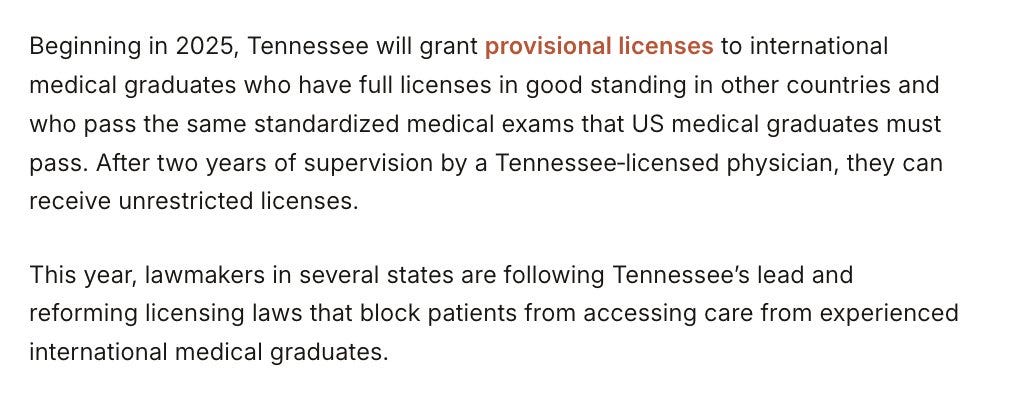
Recent changes in state laws are allowing internationally trained physicians/ international medical graduates (IMGs) to practice without repeating residency in the U.S., following trends similar to those in Tennessee (FL, AZ, VI, WI, IL, IA, ID)
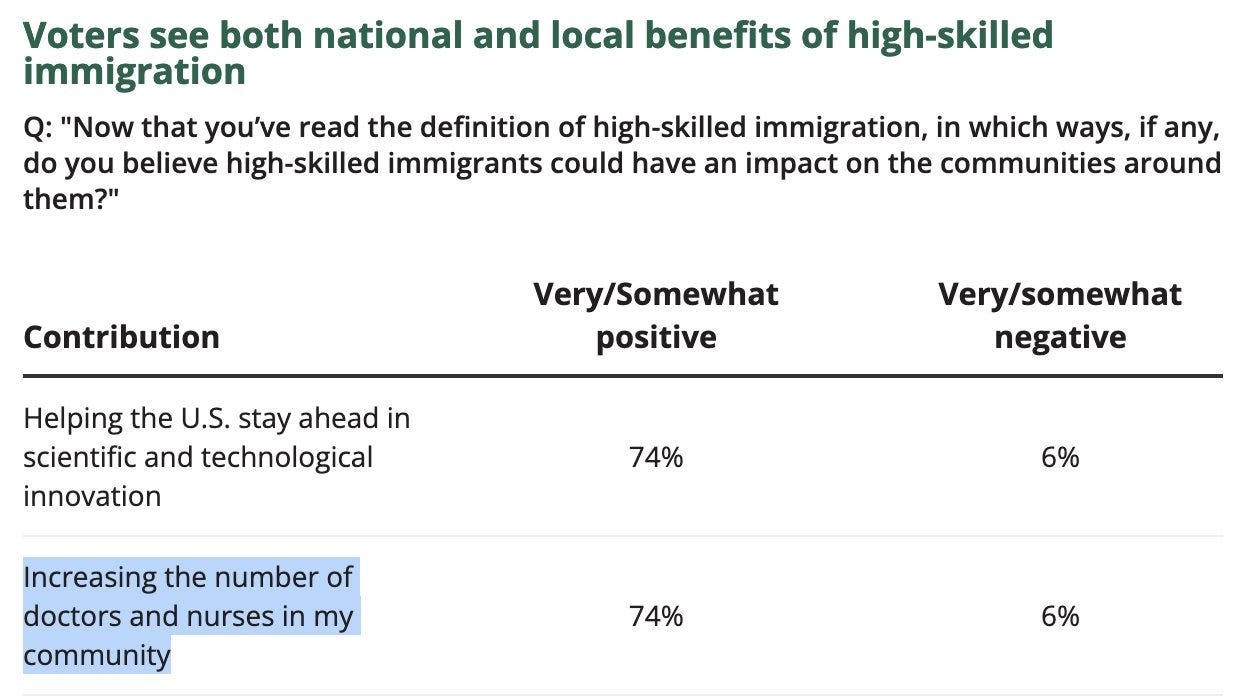
[TS] Seems to be popular with voters too:
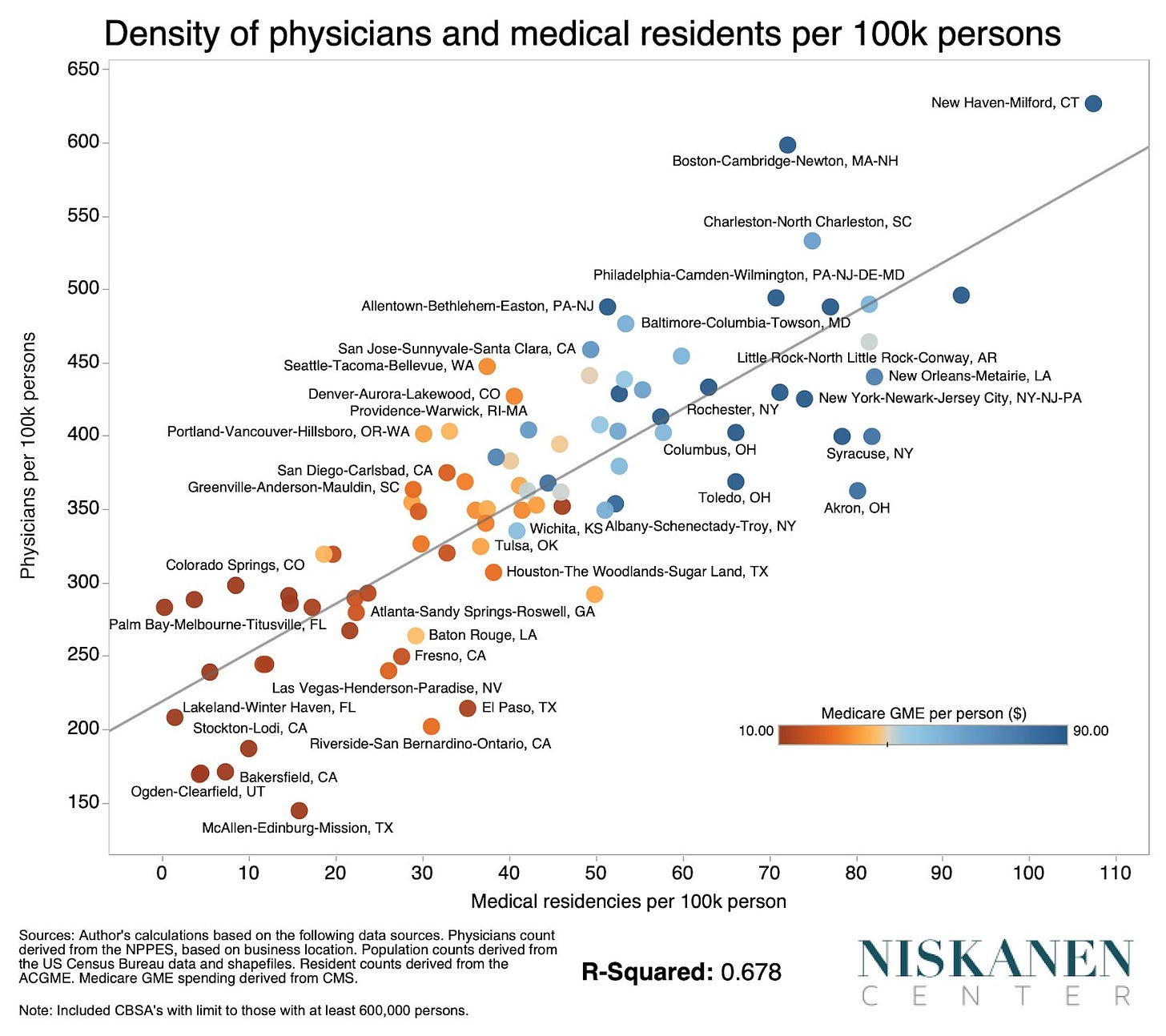
[CONTEXT] Why don’t we train more doctors in the US?
Per Gary Winslett:
In 1997, Congress capped the number of residency spots that Medicare would fund. This caused two problems. First, it created a bottleneck in the doctor pipeline.
Even as the American population has grown and even as medical spending as increased as the population ages, the number of residency spots has barely budged. Thousands of medical school graduates now go unmatched with a residency every year.
In other words, there are thousands of people with the intelligence and drive to make it through medical school and who could be excellent doctors who are being squeezed out of the system by this arbitrary cap
Second, it froze the geographical distribution of residency funding. This is an issue because it meant funding hasn’t shifted as the population has and it means that the doctor bottleneck is especially acute in the places that are growing the fastest.
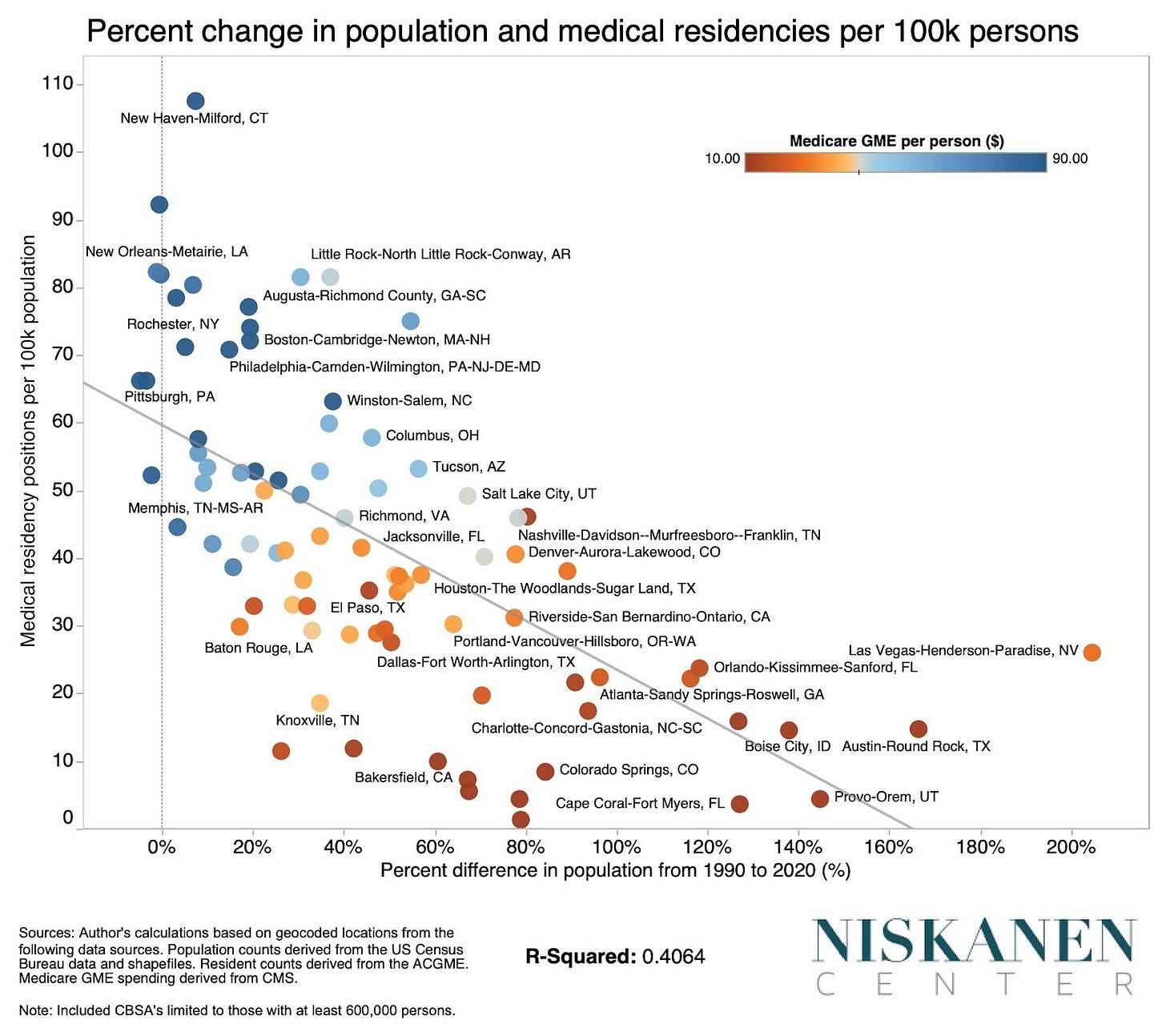
The Resident Physician Shortage Reduction Act sponsored by Rep. Terri Sewell (D-Alabama) and cosponsored by 160 Dems and 22 Rs would allow for an additional increase of 2,000 residency spots per year above to 200 already allowed.
RELATED —-
4.) WSJ: Immigration Is Behind the Strong U.S. Economy
Today the household survey shows millions more people working than pre-COVID. This increase is 𝙚𝙣𝙩𝙞𝙧𝙚𝙡𝙮 due to the increase in foreign-born workers. That is a strong argument for immigration.
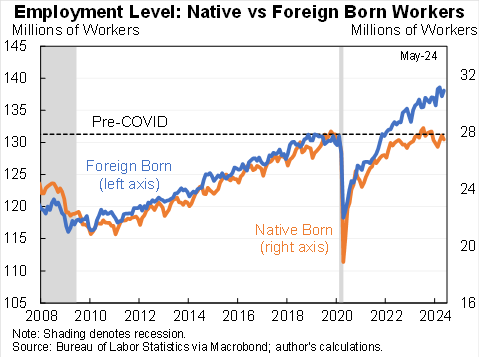
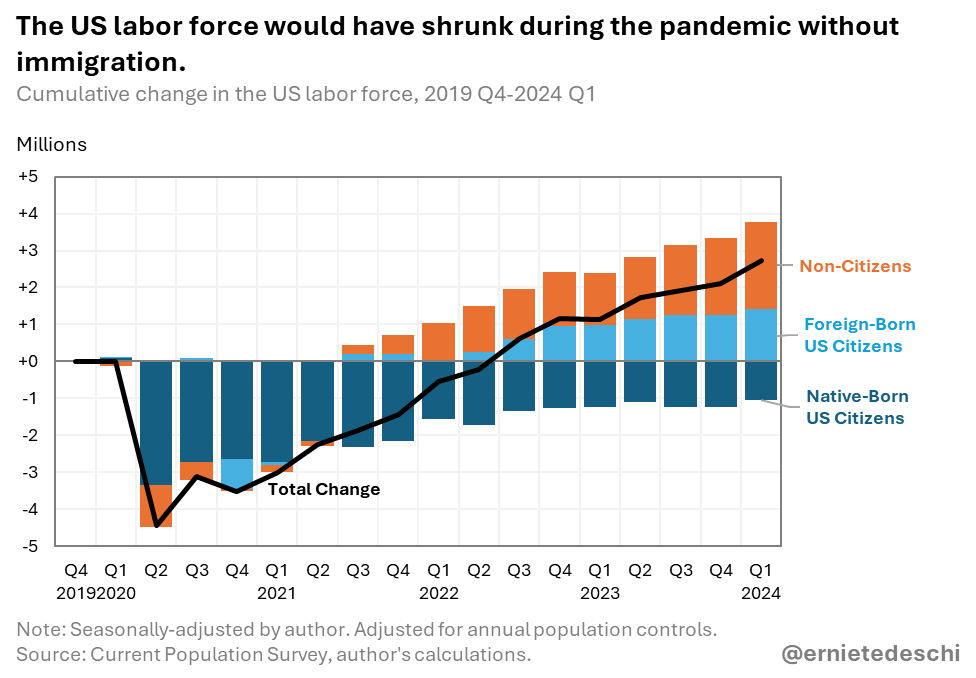
Why is that an argument for immigration?
Because without immigrants we would have flat/declining employment as native-born workers are aging and birthrates have been at or below population replacement for a half century.
What about taking jobs from native-born workers?
Native-born workers age 25-54 have done very well in terms of employment, rising above their pre-COVID employment rate.
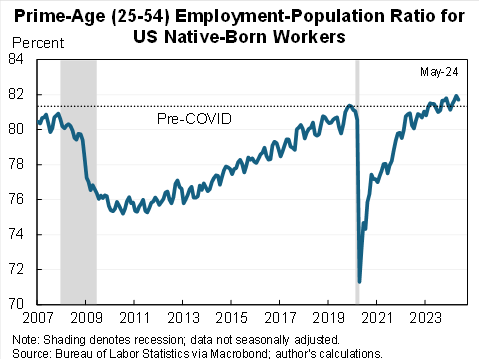
Per Jason Furman (the author of the piece):
This isn't surprising. Historical experience with structural changes in the labor force due to demographics, women, immigrants, etc., finds supply and demand increase in equal measure, raising potential growth and breakeven employment without affecting unemployment or inflation.
5.) [TS] We can build things fast if we want.
You typically see stories about China fixing a bridge/street etc. in a short time, but the US is capable as well. Look at this highway repair in less than 3 weeks:
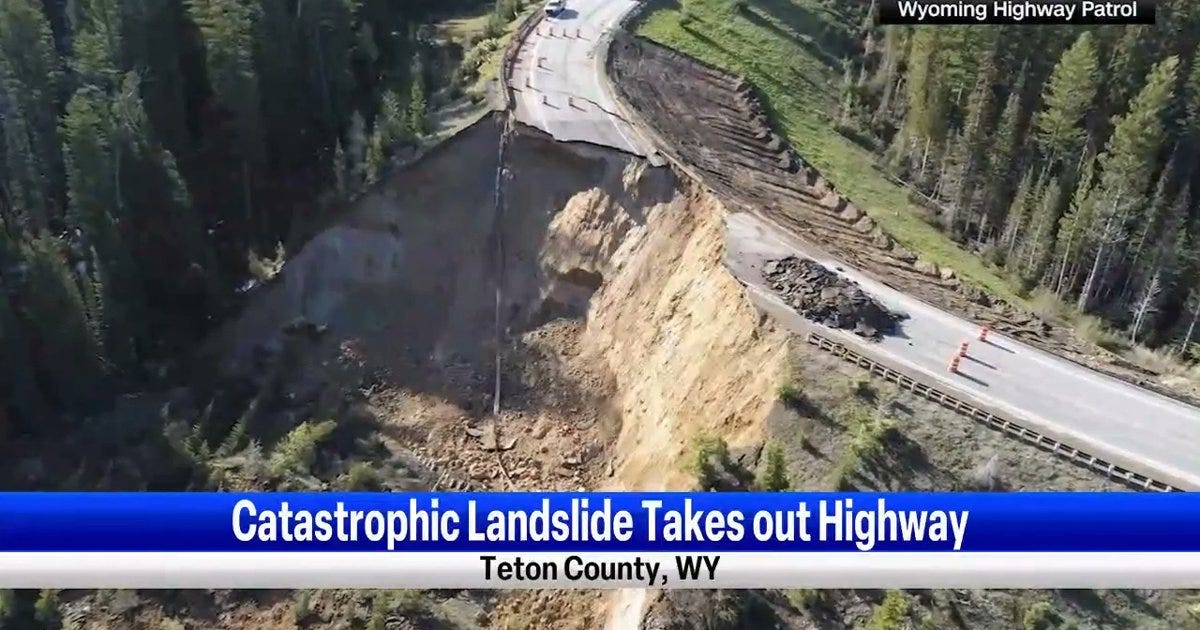

[TS] USA! USA! USA! Progress is a policy choice.
6.) Homeless stats/info
Data/graphs from Canadian Alliance to End Homelessness (a lot more in the link than I presented below):
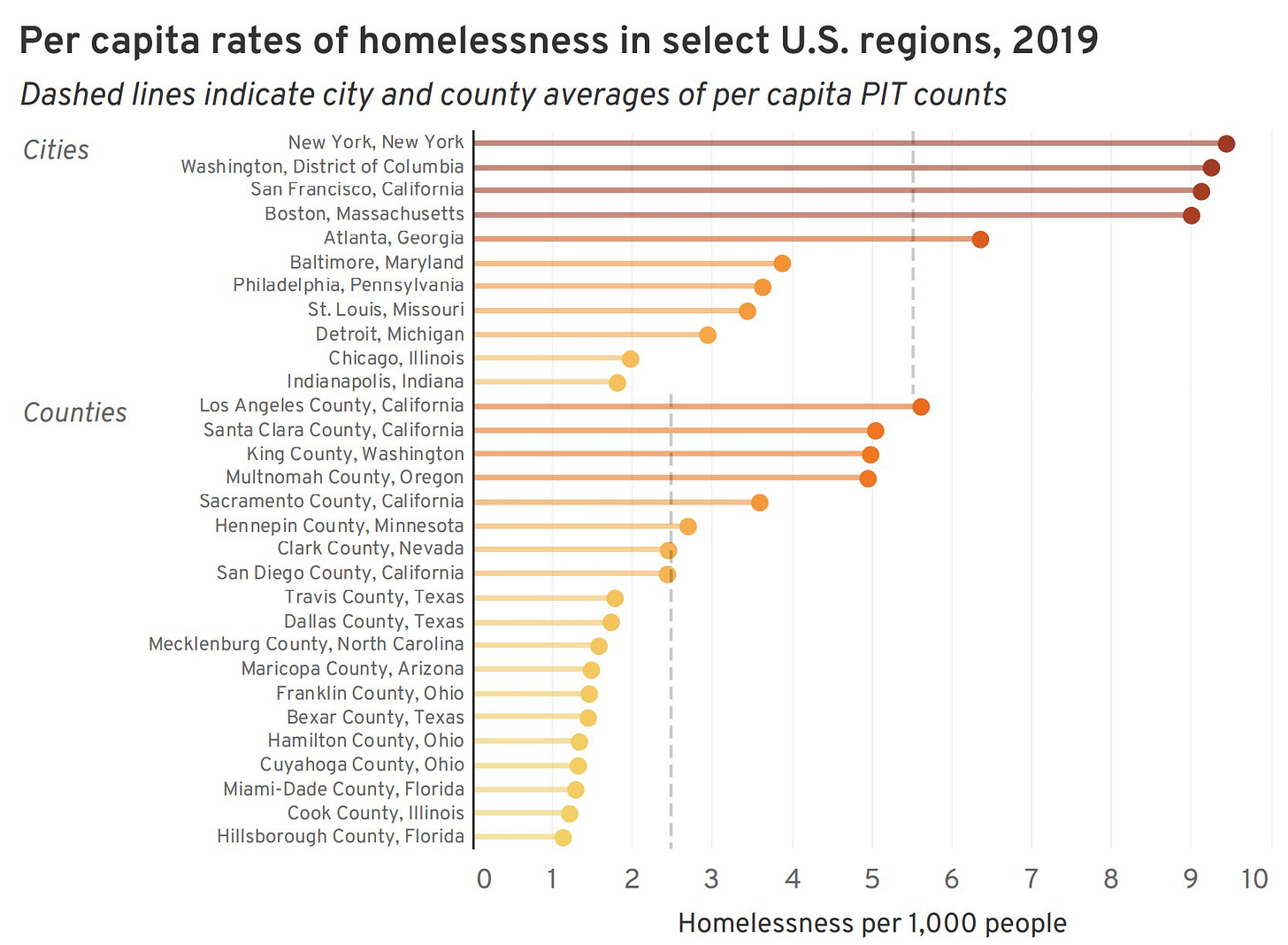
Per capita rate of homelessness across select U.S. cities and counties:
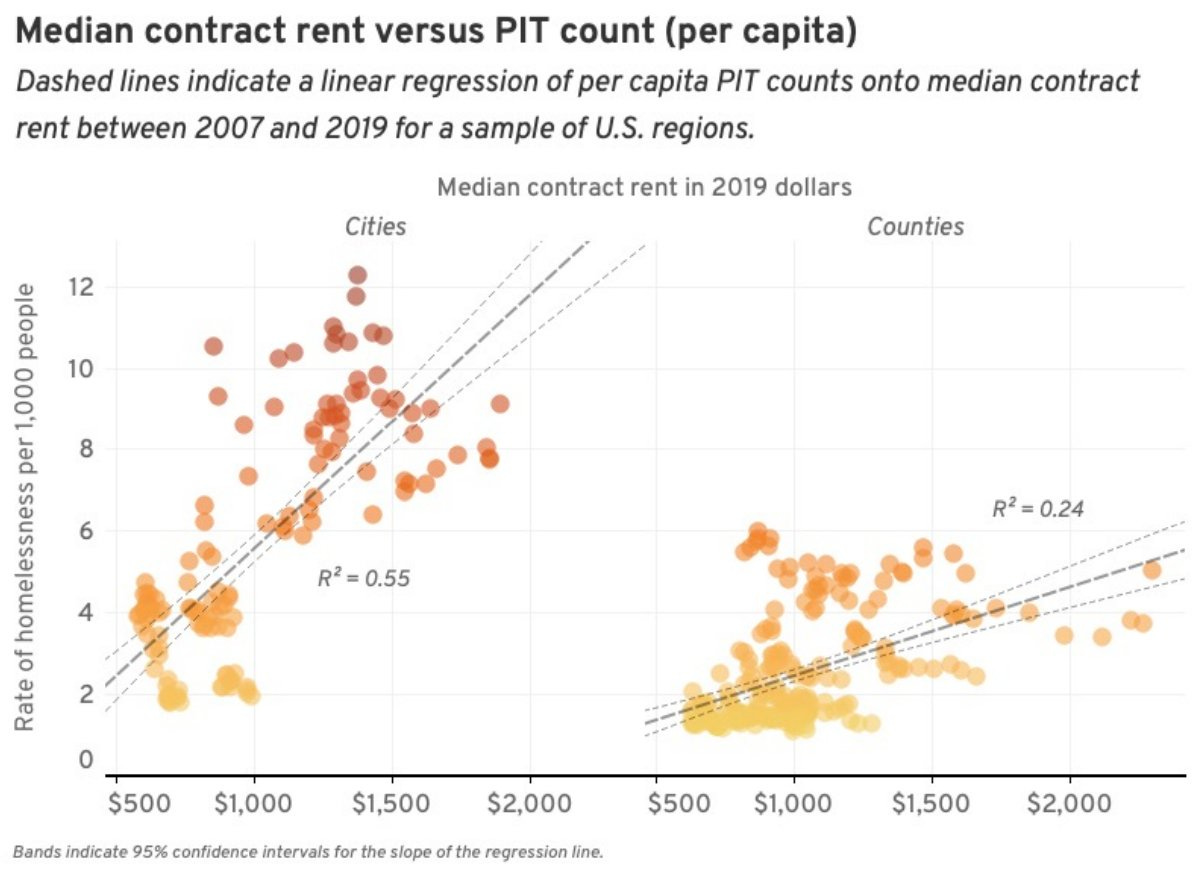
First, most obviously: The higher the rents, the greater the rates of homelessness.
Homelessness is negatively correlated with poverty across cities and counties:

Homelessness is negatively correlated with serious mental illness across cities and counties:
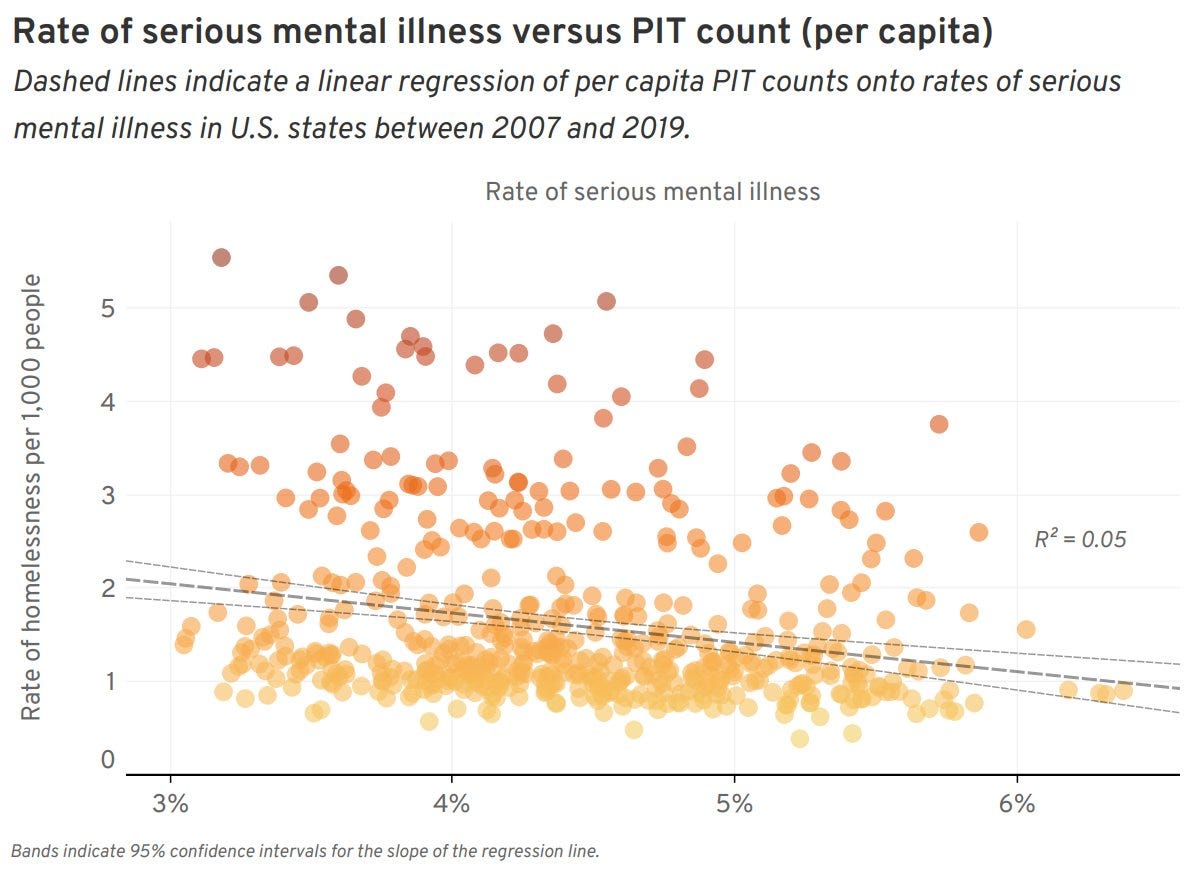
Though homelessness and serious mental illness seemed to be negatively correlated, homelessness and substance use disorder are positively correlated: