01 / RussiaReported theft
Defense secrets, taken.
State-linked hackers stole drone-company emails and proprietary software. The immediate loss: defense know-how and private communications.
Russian espionage · Report, pp. 6–9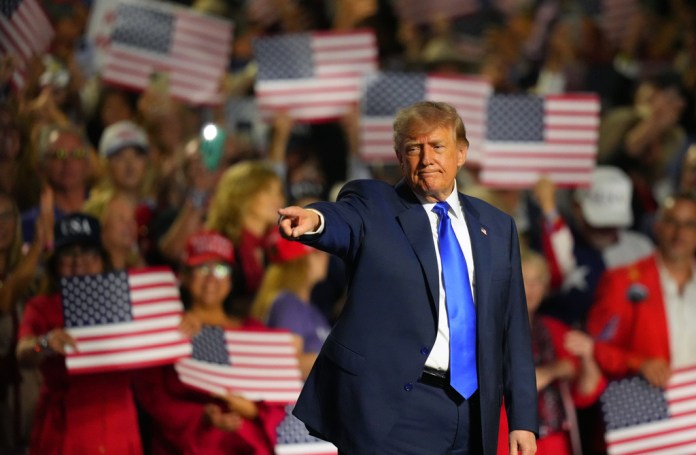
01 / The campaign promise
Trump says every adult U.S. citizen would get a check if Republicans hold the House and Senate. The money would have to be spent in the United States.
Congress still has to pass a law.
September 11, 2026 · Six stories, illustrated
One full block = $25 billion. Same block size; a one-time expense beside a year of revenue. Estimates: Erica York, Tax Foundation.
Same $25B blocks; the last is half a block. GAO payments through December 2021. This is checks only, not the broader pandemic response.
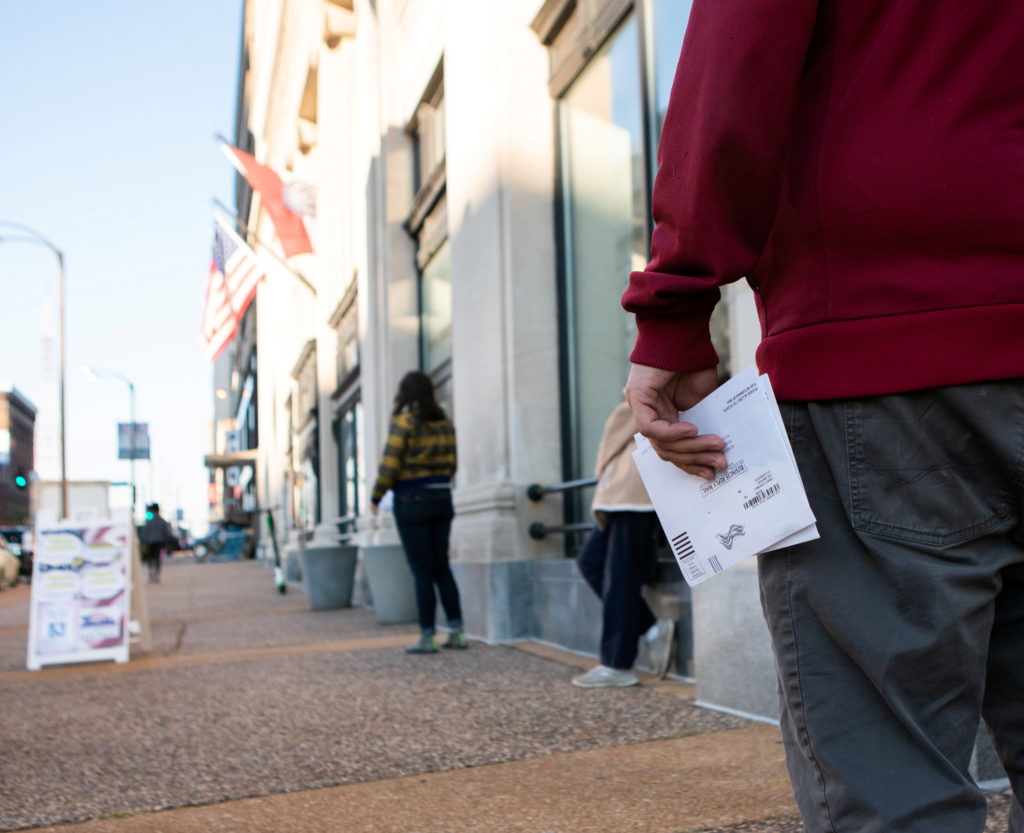
The Supreme Court paused the order forcing Missouri to use its new Republican map. The 2022 lines now govern November while the appeal continues.
A stay, not a final ruling. No reasons given; no dissents listed.
7 Republican · 1 Democratic
6 Republican · 2 Democratic
One block = one district. Schematic partisan advantages, not November results or district geography. The marked block shows the difference.
Primary winners stay certified by district number. Some voters’ congressional choices may change; no replacement primary has been announced.
Proposition A asks voters whether the 2025 map should take effect for future elections.
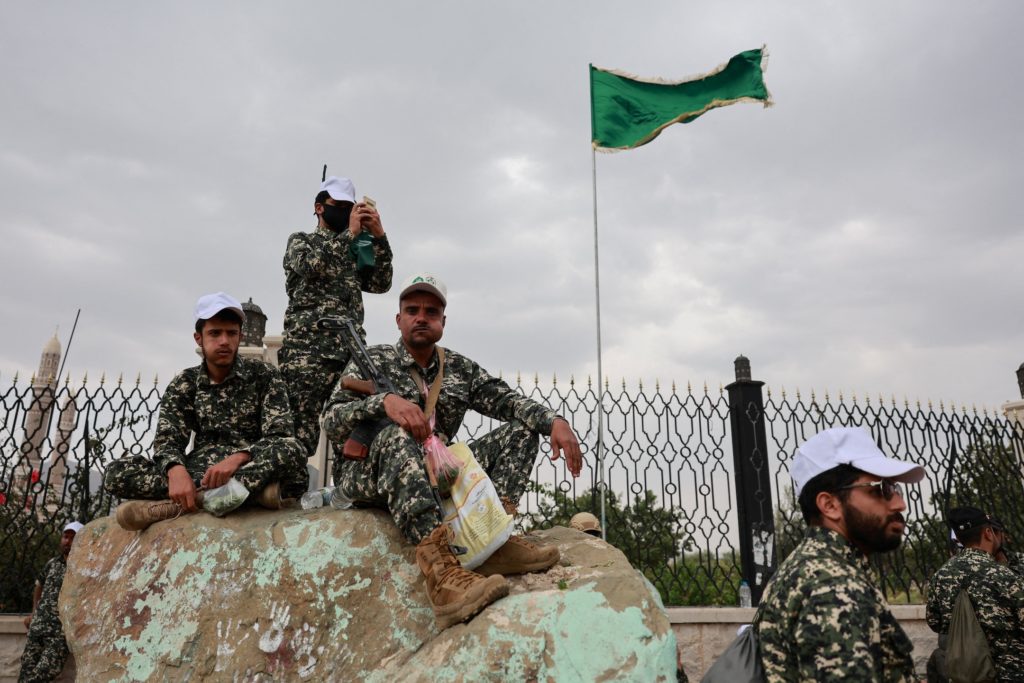
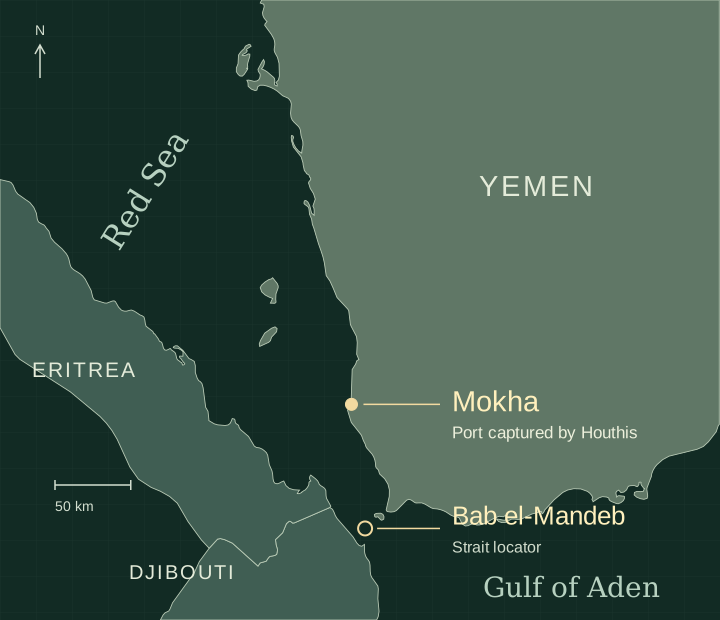
Houthi forces captured Mokha from Saudi-backed forces, about 46 miles from Bab el-Mandeb. Saudi Arabia has relied on this route to bypass constrained Hormuz.
Hundreds have been killed and thousands displaced in the weeklong offensive, the BBC reports.

U.S. crude reached $100 for the first time since mid-May. Saudi Arabia told OPEC its August output was the lowest since 1990.
Reported by NBC News. These are pump averages; crude is priced per barrel.
Injunction stays in place
Litigation continues. Illustration of the ruling’s status.
The appeals court left Judge Indira Talwani’s injunction in place. The administration had not shown Congress authorized USPS to regulate federal elections.
Anthropic says foreign adversaries used Claude for espionage, military targeting and surveillance. AI supplied engineering and intelligence labor; the cases differ in what the operators actually achieved.
State-linked hackers stole drone-company emails and proprietary software. The immediate loss: defense know-how and private communications.
Russian espionage · Report, pp. 6–9A defense researcher built software simulating attacks on Taiwan’s air defenses. AI supplied development work for military targeting; this does not establish battlefield use.
Targeting software · Report, pp. 119–122An actor compiled targeting recommendations against US naval forces. Separately, security-linked units shipped identity-harvesting software for domestic surveillance. Planning an attack is not evidence it happened.
Naval reconnaissance · p. 106; surveillance · pp. 101–103In Mali, an AI-built surveillance platform ran locally. Anthropic says banning the developer’s account did not stop the deployed system.
The limits of a ban · Report, pp. 103–105These are Anthropic’s selected investigations. Attribution varies; the cases are not a representative sample of AI use. The drawings are editorial illustrations.