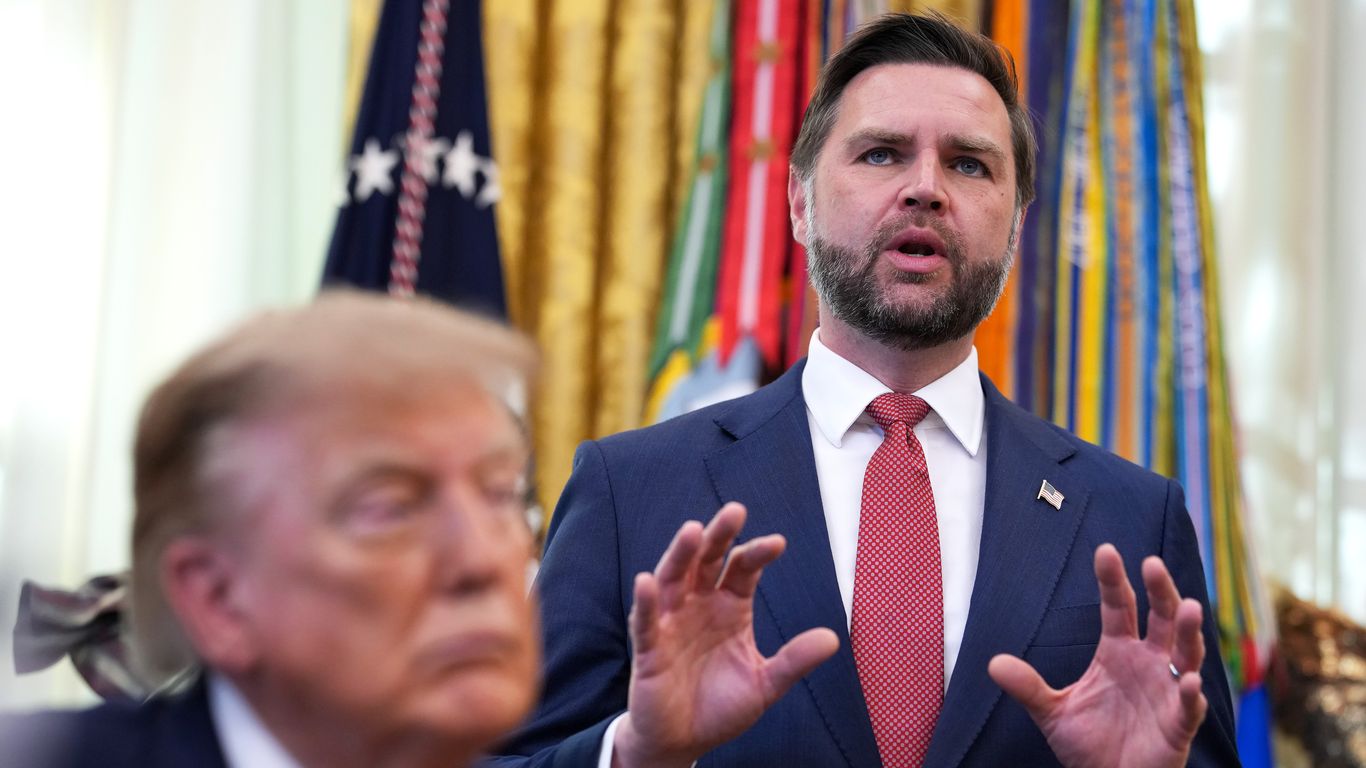
Vance runs indirect talks with Iran on a ceasefire and new nuclear talks while Trump weighs renewed strikes
A proposed meeting of U.S. and Iranian technical teams has not happened, and Qatar is pushing both sides toward an interim deal.
- Oct. 23 — Intelligence chief Jay Clayton warned Iranian plots to kill Americans were at 'advanced stages'; the U.S. cut embassy staff in four countries. - Oct. 26 — Trump called it 'decision time': a deal or resumed attacks; a third U.S. aircraft carrier headed to the region. - Oct. 27 — Saudi, Turkish and Pakistani envoys met Iran's security chiefs in Tehran to push for a deal. - Oct. 29 — Qatar-led mediators urged Iran to admit UN inspectors for partial sanctions relief; Trump confirmed Vance had written to Iranian officials. - Oct. 30 — Fox News, CNN and The Washington Post reported U.S. forces were being moved to give Trump the option of strikes after the Nov. 3 midterms. - Nov. 2–3 — Iran offered to reopen the Strait of Hormuz within two days if the U.S. lifted sanctions and its blockade; the U.S. struck Qeshm Island. - Nov. 4 — Iran claimed its mines destroyed tankers in the strait; BBC Verify found no evidence. Vance wrote on X that the war cost Republicans the midterms, and Trump called that 'largely true.' - Nov. 5 — Trump met his security team and said he'd decide on strikes 'soon.' Axios reported Qatar's two-day draft: the U.S. lifts the blockade and frees some funds, Iran invites inspectors, then the strait reopens.
ContextThe War Powers Resolution (the 1973 law limiting how long a president can fight without Congress) allows 60 days after notice. Trump notified Congress March 2, setting a May 1 deadline. He then argued the April 7 ceasefire ended the war, so new strikes start a fresh clock. Lawfare argues the blockade kept the old clock running, so the deadline has already passed.
AXIOS4 sources