01 / The Fed
Interest rates went up.
Every voter agreed.
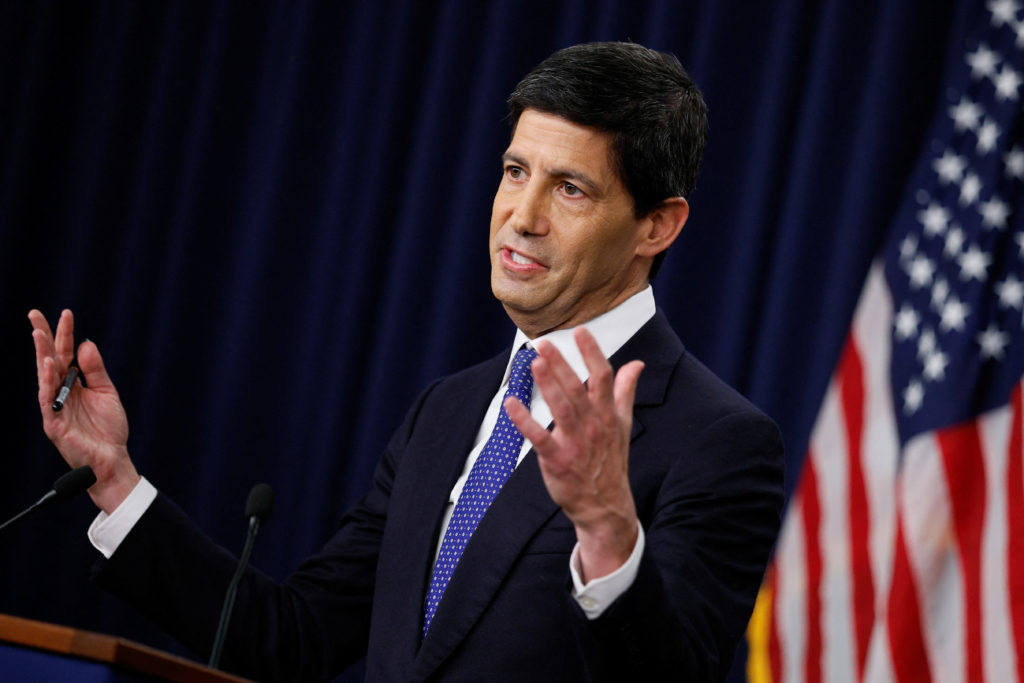
The Fed lifted its target a quarter point on Wednesday to 3.75%-4% — the first increase since July 2023, and the first big move of the Kevin Warsh era. The vote was unanimous: Warsh himself voted for it. Prices are running at 3.4% a year, well above the 2% pace the Fed aims for.
Trump wanted the opposite — rates of "1%, or less" — and aimed past his own appointee: "I'm relying on Kevin, but he's got a very tough board."
September 17, 2026 · Five stories, illustrated
- The vote
Unanimous — Warsh himself voted for the increase, seven weeks before the midterm elections.
- The market
Swaps traders had priced a 90% chance of a quarter-point move hours before the meeting ended.
- The feud
"I'm relying on Kevin, but he's got a very tough board," Trump said in North Carolina — aiming past his own appointee.
Prices are running at 3.4% a year — the August reading, unchanged from July — against the 2% pace the Fed aims for. Core prices rose 2.4% over the year. Traders had priced a 90% chance of the move before the meeting ended.
Read the reporting
The pipeline around Hormuz
took the hit.
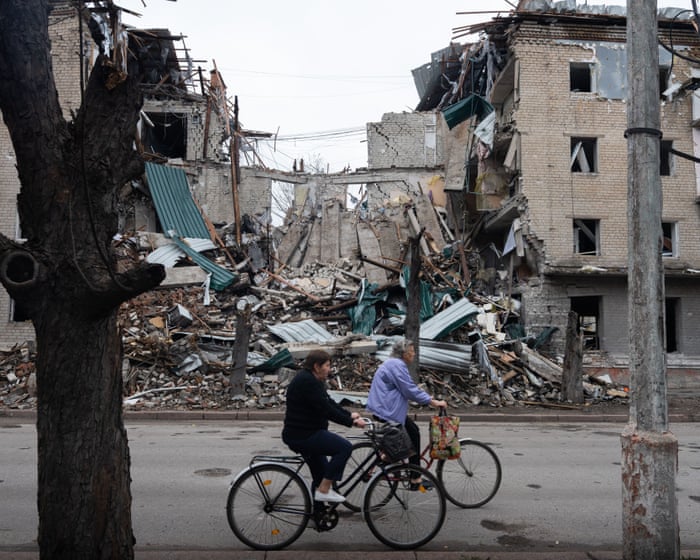
Strikes by Yemen's Houthi rebels cut the East-West pipeline — the line that exists to bypass the Strait of Hormuz — and buyers bid up every barrel still moving. WTI settled at $107.02 on Tuesday, Sept. 15, the highest close in the Energy Department's last 30 trading days.
How much of the line's capacity is out, Riyadh has not said — so how much of the six-week move the outage explains is not known. The U.S. Embassy told Americans to reconsider travel to the kingdom.
$107.02 on Tuesday, Sept. 15 — up from $77.33 on Aug. 4, and the highest close in the Energy Department's last 30 trading days. China spent the war selling oil out of its own reserves rather than buying on the world market, which held prices down; pump prices lag crude by two to six weeks. Source: U.S. Energy Information Administration via FRED.
Read the reporting
Congress handed Trump
a 100% tariff.
After more than a year of stalling, the Russia sanctions bill passed the House on Wednesday — renamed for the late Sen. Lindsey Graham, its lead sponsor until his sudden death in July. It lets Trump put tariffs of up to 100% on any country still buying Russian energy: India and China, Moscow's two largest customers.
- The tariff
Up to 100% on the goods of any country that keeps buying Russian energy — aimed at India and China, the two largest customers for Moscow's crude.
- The mandatory list
Sanctions that are no longer optional: senior Russian officials, foreign firms helping the defense industry, and the aging “shadow fleet” of tankers moving oil around the price caps.
- The signature
The last step is Trump's desk. He is expected to sign; the tariff authority is then his to use or not use.
Renamed for Sen. Lindsey Graham, its lead sponsor and key White House negotiator, after his sudden death in July. Blumenthal helped write it; McCaul led it in the House — and fifty-eight Democrats broke with their leader, Hakeem Jeffries, to pass it. “What we’re not for is giving more tariff authority to this president,” Rep. Richard Neal said in the debate. Blumenthal's answer: “If Donald Trump wants to break this law, he will be restrained by the courts” — this time the power comes from Congress.
Read the reporting
The House told data centers
to pay their own way.
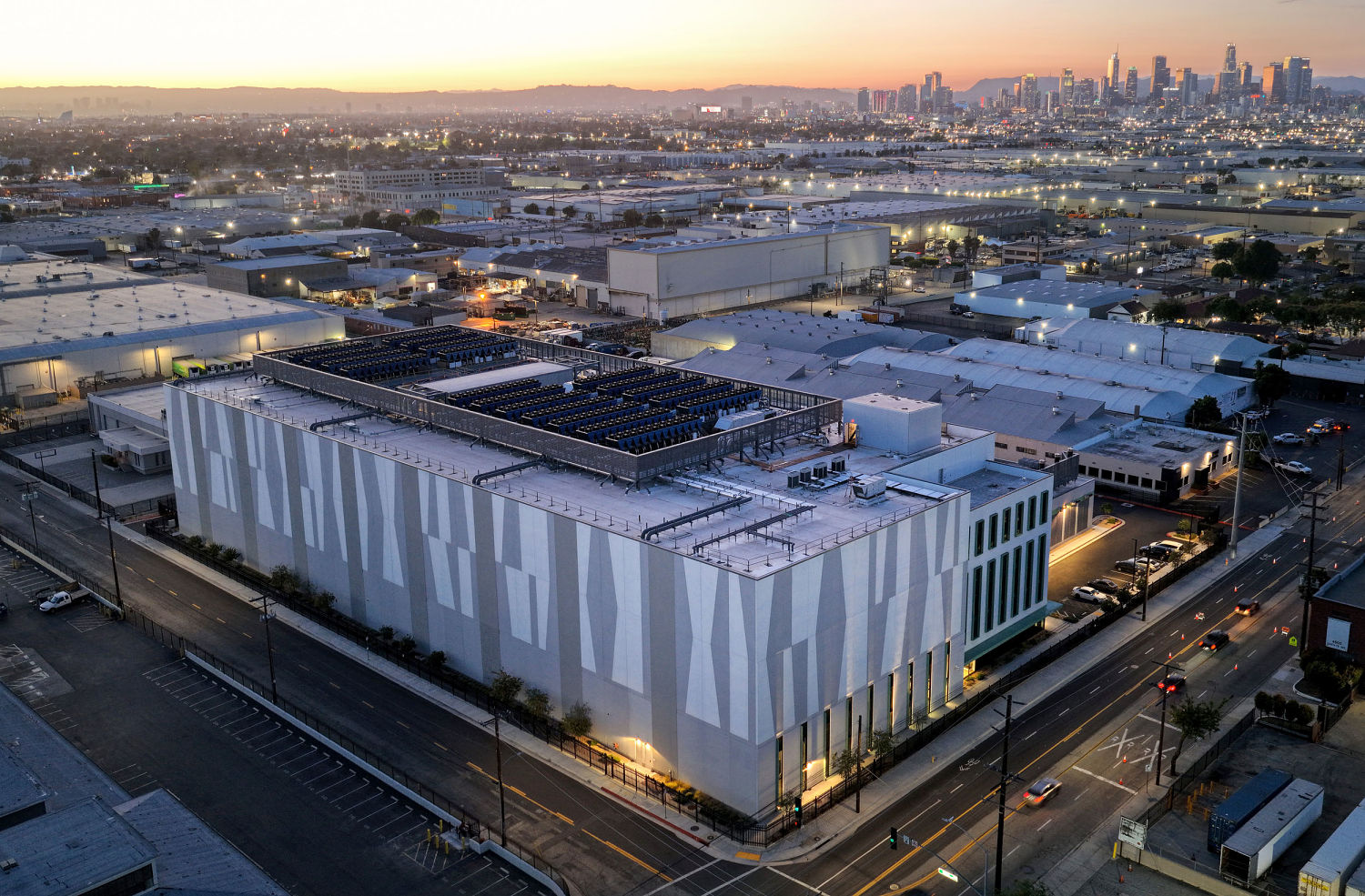
The Ratepayer Protection Act passed 417-3 — the first data-center bill to clear a chamber of Congress, and likely one of the last before the Nov. 3 midterms. It does not itself cap anyone's electric bill.
- It does
Push state utility regulators to weigh making data centers cover the power lines, substations and generation their facilities require — instead of spreading those costs across everyone else's monthly bills.
- It doesn't
Cap anyone's electric bill. And state utility commissions, not Congress, keep the final say over rates either way.
- It's next
The Senate, which has not scheduled a vote. John Thune has said data centers "ought to be able to take care of their own utilities" — not that he'll take this up.
The House energy committee advanced it unanimously on Thursday, Sept. 3 — no member voted against it — and it is likely one of the last bills the House takes up before the Nov. 3 midterms.
Read the reporting
Nobody objected.
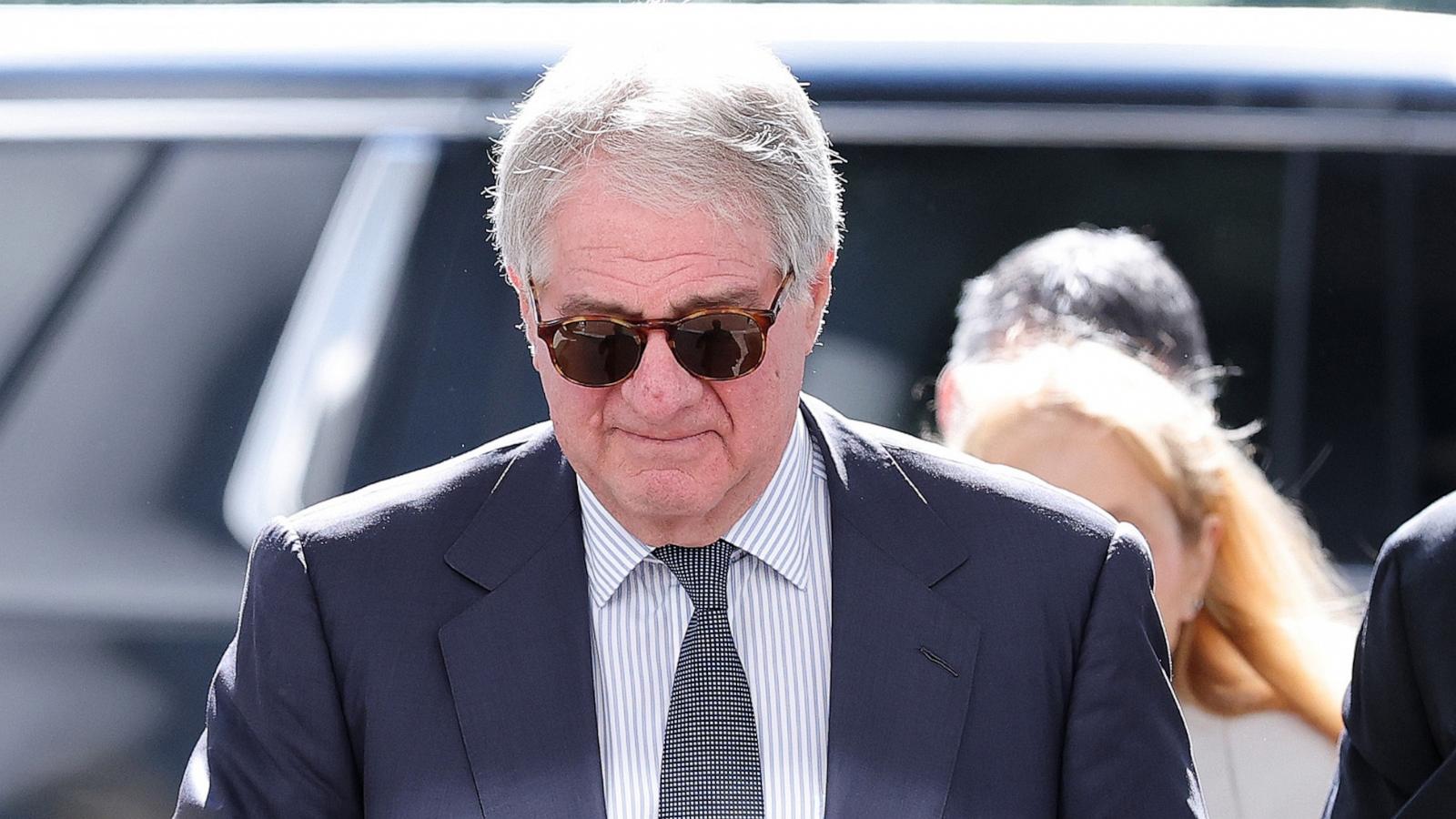
Leon Black is in contempt.
Black refused to sit for a deposition or turn over documents under two Oversight Committee subpoenas — one for the deposition, one for Epstein-related documents. The contempt referral passed with no member objecting.
- 01The subpoenas
Two from the Oversight Committee — one for the deposition Black refused to sit for, one for the Epstein-related documents he refused to turn over.
- 02The House
Held him in contempt by unanimous consent — no member objected, so no roll call was needed.
- 03The Justice Department
Receives the referral and decides on its own whether to bring criminal charges. The House cannot order a prosecution.
Unanimous consent means no member objected — the referral needed no roll call. The Justice Department decides on its own whether to bring criminal charges.