Political GuyentistMonday, August 31, 2026
34 stories·4 news7 briefs23 elections·2 contested·15 cut

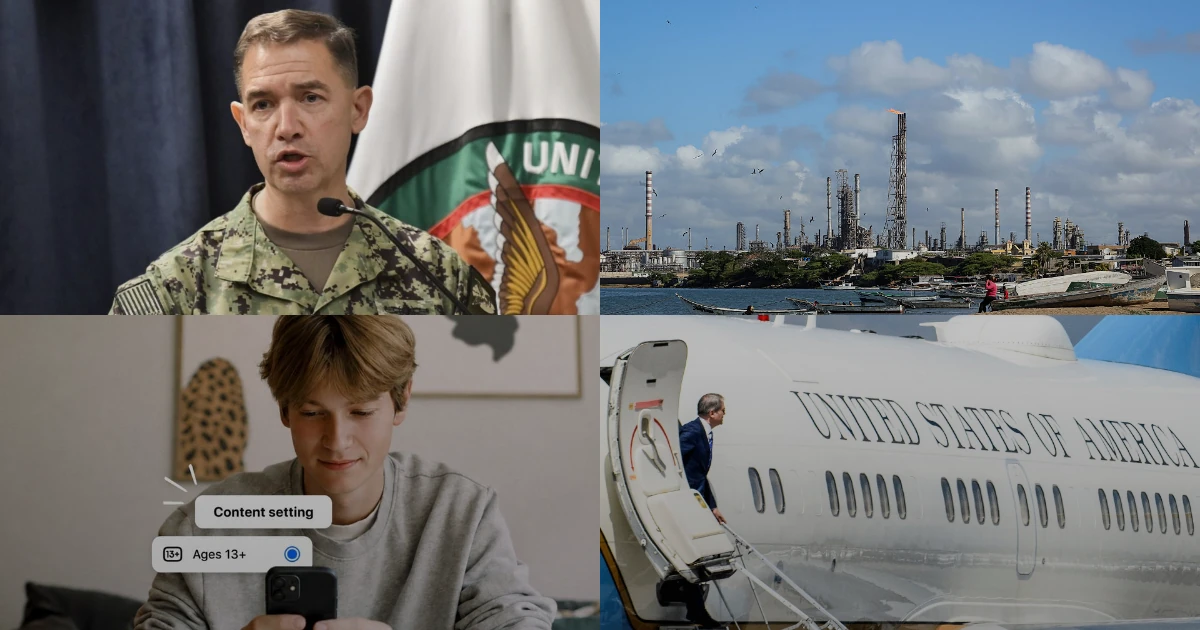
U.S. destroys two Iranian rocket launchers loaded to mine the Strait of Hormuz; Iran fires eight missiles at bases in Jordan, all intercepted

The first known U.S. military action inside Iran since July 29 hit launchers set to re-seed the shipping lane the Navy finished clearing a week earlier.

What clearing the lane did not take away from Iran: CENTCOM said in May that strikes had destroyed more than 90% of Iran's prewar stock of roughly 8,000 sea mines, leaving fewer than about 800 of that estimate. A separate assessment found Iran still holds 80% to 90% of the small boats and miniature submarines that actually plant mines; the launchers are the replaceable part. War-risk insurance quoted just before the strike ran about 10% of a ship's value — $15 million on a $150 million tanker, against roughly $375,000, or 0.25%, before the war.

ContextThe pause the strike ended began July 29, when the administration shifted from strikes to an economic campaign against Iran's trading partners. What Iran retains is the delivery mechanism rather than the mines. Technical studies document an Iranian mine-dispensing rocket variant whose range covers the strait's shipping lanes: a launcher releases small naval mines over the water and lets them settle into a chosen lane. That is how launchers on an island at the strait's mouth could re-seed a cleared route without a boat leaving port.

THE HILL10 sources
2uscontested

U.S.-led venture gets 25-year rights to 17 Venezuelan oil fields and access to 65 billion barrels

The project targets more than 1.5 million barrels a day and more than $100 billion in investment, with no start date or production schedule made public.

What this deal covers, and what it leaves out: Caracas projects $209.3 billion in royalties and taxes over the life of the deal, using a $65-per-barrel reference price. That works out to roughly $19 of every barrel for the Venezuelan state, or about 29% of that $65 price. It is the government's cut of the money coming in, not a share of the profits, and no profit split has been disclosed. The remaining $46 has to cover drilling, operating costs and the venture's return; how that divides between Washington and the private operator has not been published. The U.S. government is the majority owner of the new company, and that company, not the state oil firm PDVSA, holds the rights to develop the fields. Venezuela keeps ownership of the oil underground. No company has publicly committed to the advertised private investment, and neither government has named the investors.

ContextVenezuela pumped about 1.1 million barrels a day nationwide in July — less than the target for these 17 fields alone. The financing was reportedly arranged by the Pentagon's Office of Strategic Capital; the Pentagon has not confirmed a role. Since the 2024 defense bill the office may lend money or guarantee private loans but cannot buy an ownership stake, and it has not said which, if either, it used here. Venezuela has aimed this high before. In 2010 it handed out drilling rights in its Carabobo fields, targeting 1.2 million barrels a day across three projects; that output never arrived.

TIME6 sources

3us

Judge approves Meta settlement capping teen Facebook and Instagram use at two hours a day

Meta has six months to turn on the default limit, overnight blocks and stronger age checks; it admits no wrongdoing and owes Texas $1 billion.

What the settlement's own terms leave open: A teen cannot turn off the two-hour limit or the midnight-to-6 a.m. block alone; a parent must approve through Meta's supervision tools, and the published summaries do not say whether that approval is one-time or recurring. A second account is no guaranteed bypass — Meta says it will combine usage across accounts it links to the same teen and notify parents — but the audits cover Meta's detection efforts, not their results. Age checks are an assurance framework, not universal ID: stronger automated estimates, optional ID or face-based verification, and deactivation of a detected under-13 account pending proof of age.

ContextNo earlier U.S. state or federal settlement had bound a major platform to youth screen-time or overnight-access defaults; the closest precedent, the FTC's 2019 TikTok settlement, imposed a $5.7 million children's-privacy payment and neither remedy at issue here. The scale of what the cap touches is unmeasured: Gallup found U.S. teens averaging 4.8 hours a day across seven social platforms in 2023 — against the two eligible hours this deal allows — but no published data isolates combined Facebook-and-Instagram time.

FOX NEWS5 sources

4uscontestedThe Iran war

Bessent says new Iran sanctions will land every week, with another bank next

Treasury Secretary Scott Bessent promised a weekly cadence of penalties on foreign firms that do business with Iran; the first target so far is one Egyptian bank's Dubai branches, and Tehran's trading partners have barely moved.

What the Banque Misr action actually does — and does not do: It is a proposed rule, not a blocking designation (an order that freezes the money outright): once final, U.S. banks would have to reject transactions with the UAE branches and run extra checks on related payments. Nothing is cut off yet. Treasury says those branches moved about $1.8 billion for 103 companies possibly tied to Iranian shadow banking — networks of front firms that move money for a sanctioned country — between January 2024 and June 2026, or roughly $60 million a month. Banque Misr's Egyptian operation is untouched. Only the Dubai branches are named. The UAE review is a separate track: its central bank can fine the branches, replace their managers or pull their license, but only if it finds a breach of Emirati law. A U.S. allegation alone does not do it. For scale, FinCEN — the Treasury unit that tracks suspicious money — flagged about $9 billion in suspected Iranian shadow-banking flows through all U.S. correspondent accounts (the accounts foreign banks use to reach the dollar system) in 2024 alone, against the $1.8 billion Treasury traced to the Dubai branches over two and a half years.

ContextU.S. secondary sanctions have never followed a calendar: two foreign businesses hit in 2018, 13 in 2019, then 78 in 2020, the year Treasury designated 18 Iranian banks at once and gave their foreign partners 45 days to unwind existing dealings. Enforcement came in bursts, not weekly installments. The UAE announced it was halting all trade and financial dealings with Iran on Aug. 19 — eleven days before Bessent's warning.

REUTERS4 sources

Monday · The daily brief

Aug 312026

4 leads30 briefs14 min

Executive summary4 stories

News news4

  1. U.S. destroys two Iranian rocket launchers loaded to mine the Strait of Hormuz; Iran fires eight missiles at bases in Jordan, all interceptedThe first known U.S. military action inside Iran since July 29 hit launchers set to re-seed the shipping lane the Navy finished clearing a week earlier.
  2. U.S.-led venture gets 25-year rights to 17 Venezuelan oil fields and access to 65 billion barrelsThe project targets more than 1.5 million barrels a day and more than $100 billion in investment, with no start date or production schedule made public.
  3. Judge approves Meta settlement capping teen Facebook and Instagram use at two hours a dayMeta has six months to turn on the default limit, overnight blocks and stronger age checks; it admits no wrongdoing and owes Texas $1 billion.
  4. Bessent says new Iran sanctions will land every week, with another bank nextTreasury Secretary Scott Bessent promised a weekly cadence of penalties on foreign firms that do business with Iran; the first target so far is one Egyptian bank's Dubai branches, and Tehran's trading partners have barely moved.

News news4 stories

Ongoing9 earlier updates

1.) THE HILL: U.S. destroys two Iranian rocket launchers loaded to mine the Strait of Hormuz; Iran fires eight missiles at bases in Jordan, all intercepted

The first known U.S. military action inside Iran since July 29 hit launchers set to re-seed the shipping lane the Navy finished clearing a week earlier.

On Sunday, Aug. 30, U.S. forces struck two Iranian rocket launchers on Larak Island, at the mouth of the Strait of Hormuz. U.S. officials said Revolutionary Guard personnel were preparing to fire rockets carrying sea mines, explosive charges placed in water to damage passing ships. Iranian outlets reported two people killed and two wounded. Iran then fired eight ballistic missiles at U.S. bases in Jordan. Jordan said its air defenses intercepted all eight. U.S. officials reported zero impacts, damage or casualties. The strike was the first known U.S. military action inside Iran since July 29, 2026.

BackgroundWhat clearing the lane did not take away from Iran3 facts
  • CENTCOM said in May that strikes had destroyed more than 90% of Iran's prewar stock of roughly 8,000 sea mines, leaving fewer than about 800 of that estimate.
  • A separate assessment found Iran still holds 80% to 90% of the small boats and miniature submarines that actually plant mines; the launchers are the replaceable part.
  • War-risk insurance quoted just before the strike ran about 10% of a ship's value — $15 million on a $150 million tanker, against roughly $375,000, or 0.25%, before the war.

[UPDATE] What changed since Aug. 29

The Aug. 29 issue reported nearly a month without large U.S. strikes as the administration leaned on weekly sanctions. That pause ended Sunday, Aug. 30: U.S. forces struck two rocket launchers on Larak Island that officials said were being readied to re-mine the strait, and Iran answered with eight ballistic missiles at U.S. bases in Jordan, all intercepted.

The item concerns the same military campaign and Iran’s ability to place mines in the Strait of Hormuz.

2.) TIME: U.S.-led venture gets 25-year rights to 17 Venezuelan oil fields and access to 65 billion barrels

The project targets more than 1.5 million barrels a day and more than $100 billion in investment, with no start date or production schedule made public.

A new company, majority-owned by the U.S. government, has won 25-year rights to develop 17 oil fields in Venezuela. The fields hold 65 billion barrels of proven crude — about 21% of the roughly 303 billion barrels Venezuela held as of 2023, the largest proven reserve base of any country. The oil may eventually supply Gulf Coast refineries, though Venezuela's degraded oil infrastructure makes near-term relief at the pump uncertain. Ted Cruz (Sen-R Texas) said on Sunday, Aug. 30 that the deal could benefit jobs and gasoline prices "over the long term," while arguing that Venezuela should hold free and fair elections no later than the middle of 2027.

What this deal covers, and what it leaves outCaracas projects $209.3 billion in royalties and taxes over the life of the deal, using a $65-per-barrel reference price.5 details
  • Caracas projects $209.3 billion in royalties and taxes over the life of the deal, using a $65-per-barrel reference price.
  • That works out to roughly $19 of every barrel for the Venezuelan state, or about 29% of that $65 price. It is the government's cut of the money coming in, not a share of the profits, and no profit split has been disclosed.
  • The remaining $46 has to cover drilling, operating costs and the venture's return; how that divides between Washington and the private operator has not been published.
  • The U.S. government is the majority owner of the new company, and that company, not the state oil firm PDVSA, holds the rights to develop the fields. Venezuela keeps ownership of the oil underground.
  • No company has publicly committed to the advertised private investment, and neither government has named the investors.
Currently showing U.S. national defense expenditures
U.S. national defense expenditures
Trump first term Biden U.S. national defense expenditures Real (inflation-adjusted) 2024 dollars; nominal values converted with CPI Story: 65 billion nominal = $62B real $750B $800B $850B $900B $773B $874B 2015 2020 2025 Source: U.S. Bureau of Economic Analysis via FRED (A997RC1A027NBEA), inflation-adjusted with CPIAUCNS to 202

Red take

Gulf Coast refineries need heavy crude and currently buy it from suppliers Washington would rather not enrich; 25-year rights to 17 fields and access to 65 billion barrels put that supply under contract instead. The honest cost is time — Venezuela's degraded infrastructure makes near-term relief at the pump uncertain, and the 1.5 million barrel target may never arrive. What it buys is leverage priced in decades: Caracas gets paid only while it keeps producing, which is what gives Cruz's demand for elections by mid-2027 any force.

Blue take

Caracas discloses its side — about $19 of every barrel, 29% of a $65 reference price — while Washington has not published how the other $46 splits between the government and a private operator no company has yet agreed to be. That asymmetry matters because the target of more than 1.5 million barrels a day exceeds what all of Venezuela pumped in July, so the risk of the shortfall lands on public books before any pump-price relief lands on households.

Ongoing5 earlier updates

3.) FOX NEWS: Judge approves Meta settlement capping teen Facebook and Instagram use at two hours a day

Meta has six months to turn on the default limit, overnight blocks and stronger age checks; it admits no wrongdoing and owes Texas $1 billion.

A judge approved Meta's child-safety settlement on Thursday, Aug. 27, 2026. The agreement resolves a case brought by 47 state attorneys general. Meta must make a combined two-hour daily limit the default for teen accounts across Facebook and Instagram. It must also restrict overnight access, remove visible like counts and strengthen age checks. Most major rules are due within six months, by Feb. 27, 2027. A teen needs a parent's approval to disable the limit. Meta admitted no wrongdoing, and Texas will receive $1 billion. Ro Khanna (Rep-D California) and Florida Attorney General James Uthmeier said the deal falls short. Florida stayed out of the case, and Uthmeier said, "We'll see them at trial."

What the settlement's own terms leave openA teen cannot turn off the two-hour limit or the midnight-to-6 a.m. block alone; a parent must approve through Meta's supervision…3 details
  • A teen cannot turn off the two-hour limit or the midnight-to-6 a.m. block alone; a parent must approve through Meta's supervision tools, and the published summaries do not say whether that approval is one-time or recurring.
  • A second account is no guaranteed bypass — Meta says it will combine usage across accounts it links to the same teen and notify parents — but the audits cover Meta's detection efforts, not their results.
  • Age checks are an assurance framework, not universal ID: stronger automated estimates, optional ID or face-based verification, and deactivation of a detected under-13 account pending proof of age.
Ongoing3 earlier updates

This story has run 4 times over 11 days, starting Aug 20.

  1. UAE cuts off all trade with Iran, closing the gateway that handles a third of Iranian imports
  2. U.S. sanctions nearly 60 Iranian targets and threatens countries that keep trading with Tehran
  3. China rejects Trump’s threat to sanction Iran’s trading partners
  4. Bessent says new Iran sanctions will land every week, with another bank next — this issue

4.) REUTERS: Bessent says new Iran sanctions will land every week, with another bank next

Treasury Secretary Scott Bessent says the United States will punish a new foreign firm or bank every week for doing business with Iran. One target has been named so far — the Dubai branches of an Egyptian state bank — and Iran's trading partners have barely reacted.

Treasury Secretary Scott Bessent said Sunday, Aug. 30, that the United States expects to announce new secondary sanctions against Iran every week, and that Washington is preparing to sanction another bank. Secondary sanctions do not target Iranians; they target the foreign banks and companies that handle Iranian money, by threatening to cut them off from the U.S. financial system. That threat has teeth, because almost every large bank needs dollar access to do business. The United Arab Emirates is reviewing Banque Misr, the Egyptian state bank whose Emirati branches Washington moved against days earlier. Bloomberg reported that as of the end of the week, countries that still trade with Tehran had shown little response to the promised campaign.

BackgroundWhat the Banque Misr action actually does — and does not do5 facts
  • It is a proposed rule, not a blocking designation (an order that freezes the money outright): once final, U.S. banks would have to reject transactions with the UAE branches and run extra checks on related payments. Nothing is cut off yet.
  • Treasury says those branches moved about $1.8 billion for 103 companies possibly tied to Iranian shadow banking — networks of front firms that move money for a sanctioned country — between January 2024 and June 2026, or roughly $60 million a month.
  • Banque Misr's Egyptian operation is untouched. Only the Dubai branches are named.
  • The UAE review is a separate track: its central bank can fine the branches, replace their managers or pull their license, but only if it finds a breach of Emirati law. A U.S. allegation alone does not do it.
  • For scale, FinCEN — the Treasury unit that tracks suspicious money — flagged about $9 billion in suspected Iranian shadow-banking flows through all U.S. correspondent accounts (the accounts foreign banks use to reach the dollar system) in 2024 alone, against the $1.8 billion Treasury traced to the Dubai branches over two and a half years.

Red take

A channel that moved about $1.8 billion for 103 companies stayed open because enforcement came in bursts with long gaps, and a weekly cadence keeps the risk live for foreign banks before their own name comes up. The volume is small against the roughly $9 billion FinCEN flagged in 2024, but that is the trade: cheap early moves buy caution from banks not yet named, and leaving Banque Misr's Egyptian operation untouched keeps a partner's payment system intact.

Blue take

Deterrence does work on banks that have not been named, which is why the opening case matters: it is the best-prepared one, and it reaches about $60 million a month against the roughly $9 billion FinCEN flagged in 2024 alone. A weekly quota forces Treasury to keep producing names on the calendar's schedule rather than the evidence's, and each thin one buys less cooperation from the correspondent banks the larger flow will require — Tehran's partners have 'barely moved.'

Read more about: UAE announced a halt to all trade and financial transactions with Iran on Aug. 19

The Emirates cut off Iranian trade before Bessent's threat. That is why its Banque Misr review looks like it is finishing what it already started, rather than giving in to Washington.

Quick bites30

  1. Trump calls it a rejection of all Canadian imports; the enacted 50% tariffs cover about 5%

    The U.S. now taxes a set of Canadian products at 50%, about 5% of what it imports from Canada; two-way trade ran $762.10 billion in 2024, per Census data. Canada matches each of those rates — 15%, 25% or 50% — on September 8. Trump's description of the move as rejecting all Canadian imports is rhetoric; the enacted order covers only the listed goods.

    Ongoing3

    This story has run 4 times over 11 days, starting Aug 20.

    1. Trump pauses 50% Canada tariff two hours before it hits, buying three days
    2. Trump imposed 50% tariffs on $20 billion of Canadian goods and threatened the same rate on autos and steel
    3. Canada tariffs nearly $20 billion in U.S. goods to match Trump’s 50% levies
    4. Trump calls it a rejection of all Canadian imports; the enacted 50% tariffs cover about 5% — this issue
  2. Military leaders told Hegseth prolonged Iran operations would leave the U.S. exposed elsewhere

    Several senior military leaders formally objected to extending U.S. war operations against Iran, in a classified assessment to Defense Secretary Pete Hegseth. A long, large-scale war can't be sustained, they warned in the document, which The Washington Post described; it would leave the U.S. weaker against other threats, including at home. Pentagon spokesman Sean Parnell called publishing it a crime and said much of the reporting is wrong. He did not say which parts, and said such formal objections are normal and reach Hegseth all the time.

  3. Treasury barred Bloomberg and the Wall Street Journal from covering the G20 finance meeting

    AP reports Treasury barred reporters from Bloomberg News and The Wall Street Journal from the G20 finance meeting in Asheville, North Carolina. Other outlets were kept out too. Treasury has not said why.

    Ongoing1

    This story has run 2 times over 3 days, starting Aug 28.

    1. Nvidia pauses AI-cloud financing deals after employees warn of antitrust risk
    2. Treasury barred Bloomberg and the Wall Street Journal from covering the G20 finance meeting — this issue
  4. State Farm cut claim payouts $1.4 billion after changing how it judged hail damage

    Unsealed court records show an internal State Farm email crediting the company's new wind-and-hail claims strategy with cutting indemnity payments by about $1.4 billion from 2020 to 2021. Over the same span, roof replacements fell from 5.6 for every repair to 2.0. About 1,000 Oklahoma homeowners allege the insurer quietly narrowed what counts as hail damage without changing a word of their policies. State Farm denies wrongdoing and says it has paid Oklahoma customers more than $1 billion for wind and hail damage over the past two years.

    • Indemnity payments down about $1.4 billion, 2020 to 2021
3 more quick bitesSame day, same run — headlines only until you open one
  1. USDA closes 2 of 3 cyclospora projects during a 17,000-case outbreak

    USDA is closing two of its three cyclospora research projects and moving the third from Maryland to Iowa. Congress did not include the two closed projects in fiscal 2026 funding; USDA says none of the research has been disrupted. The Guardian reports more than 17,000 confirmed cyclosporiasis cases across 48 states and Washington, D.C., in the current outbreak. The same report says the surviving project's scientists have all reportedly declined to move to Iowa.

  2. Pentagon hires conservative military influencers and won't describe their civilian jobs

    The Washington Post reports the Pentagon hired several conservative veterans with large online followings into civilian jobs. Asked what the work is, the department did not describe it. The same accounts have promoted Defense Secretary Pete Hegseth's views.

    Ongoing3
  3. Arizona loses about 30% of its Colorado River water in 2027 and 2028

    The Bureau of Reclamation proposed a two-year plan that would cut roughly 30% of Arizona's Colorado River supply in 2027 and 2028. The seven basin states failed to reach their own deal, and this interim federal plan is not final.

    • Interim federal plan would cut about 30% of Arizona's Colorado River supply in 2027 and 2028
    • Yuma County grows 90% of the leafy greens Americans eat in winter, per NBC News, and the cut lands hardest there

Elections23 races

Congressional control

Who ends up holding each chamber

Aug 31, 3:45 PM CT
7-day replay

U.S. House: chance of Democratic control of the House, Polymarket 89%, Kalshi 85%. U.S. Senate: chance Democrats take it, Polymarket 51%, Kalshi 49%. Full day-by-day figures are in the table below.

U.S. HouseDemocratic control7 days ago · Democrats favoured
88%86%chance of Democratic control of the House · 1.5pp apart
U.S. House: chance of Democratic control of the House. 7 days ago, Polymarket 88% and Kalshi 86%. Today it stands at Polymarket 89% and Kalshi 85%.
U.S. SenateDemocrats take it7 days ago · Republicans favoured
50%46%chance Democrats take it · 3.5pp apart
U.S. Senate: chance Democrats take it. 7 days ago, Polymarket 50% and Kalshi 46%. Today it stands at Polymarket 51% and Kalshi 49%.
7 days ago
How to read thisthe contract, the key, and the week panel

Each bar is one contract: will Democrats control this chamber after the 2026 midterms. The Republican share is the arithmetic complement of that price, not a separately traded market. Republicans hold the Senate, so the figure printed there is the chance Democrats take it. This desk has not established who is defending the House, so that bar stays in the market’s own words and claims nothing about who would be losing it. Two venues price each contract; where they differ the lighter wedge is how far apart they are, and the panel on the right is the week.

  • two venues, priced separately
  • shaded = how far apart they are
  • 50% — control flips here
  • the last 7 days, on its own scale
  • Polymarket, solid
  • Kalshi, dashed

Both lines in a week panel are the same contract, priced by two venues — not one line per party. Its colour is whose chance the bar is measuring, which is why a panel can be blue while the verdict beside it reads Republicans favoured.

3 of 23 races. Open one, or all of them — every race is on the page either way.

  • lAlaska SenateMary Peltola 65.0%Dan Sullivan 35.3%

    POLYMARKET: Alaska Senate — general election

    Mary Peltola (D) faces Dan Sullivan (R).

    A sitting Republican senator is defending this seat, and Peltola holds a commanding lead.

    Two markets, one question

    Alaska Senate

    Aug 31, 3:45 PM CT
    widest venue gap 1.5pp
    • Polymarket, solid
    • Kalshi, dashed
    • shaded = the gap between them

    Alaska Senate. Mary Peltola (D): Polymarket 65.5%, Kalshi 64.5%; Dan Sullivan (R): Polymarket 34.5%, Kalshi 36.0%. Widest disagreement between the two venues: 1.5pp. Full history is in the table below.

    7 days ago

    Market-implied chance of winning, out of 100 — prices, not polls. Source: Polymarket · Kalshi.

  • tGeorgia SenateJon Ossoff 93.05%Collins 7.08%

    POLYMARKET: Georgia Senate — general election

    Jon Ossoff (D) faces Mike Collins (R).

    The Democratic side holds a commanding lead that has barely moved in a week.

    Two markets, one question

    Georgia Senate

    Aug 31, 3:45 PM CT
    widest venue gap 1.3pp
    • Polymarket, solid
    • Kalshi, dashed
    • shaded = the gap between them

    Georgia Senate. Jon Ossoff (D): Polymarket 93.5%, Kalshi 92.6%; Mike Collins (R): Polymarket 6.40%, Kalshi 7.75%. Widest disagreement between the two venues: 1.3pp. Full history is in the table below.

    7 days ago

    Market-implied chance of winning, out of 100 — prices, not polls. Source: Polymarket · Kalshi.

    These contracts price the party, not the named person — the venues list the seat before the nominee is settled.

  • mIowa SenateAshley Hinson 60.0%Josh Turek 40.0%

    POLYMARKET: Iowa Senate — general election

    Ashley Hinson (R) faces Josh Turek (D).

    An open seat, with no incumbent running, and the Republican side holds a clear lead.

    Two markets, one question

    Iowa Senate

    Aug 31, 3:45 PM CT
    widest venue gap 1.0pp
    • Polymarket, solid
    • Kalshi, dashed
    • shaded = the gap between them

    Iowa Senate. Ashley Hinson (R): Polymarket 60.5%, Kalshi 59.5%; Josh Turek (D): Polymarket 39.5%, Kalshi 40.5%. Widest disagreement between the two venues: 1.0pp. Full history is in the table below.

    7 days ago

    Market-implied chance of winning, out of 100 — prices, not polls. Source: Polymarket · Kalshi.

    These contracts price the party, not the named person — the venues list the seat before the nominee is settled.

The other 20 races23 consequential races · Aug 31, 3:45 PM CT · markets, not polling

Senate7 of 10

  • jMaine SenateTroy Jackson 69.5%Collins 31.0%

    POLYMARKET: Maine Senate — general election

    Troy Jackson (D) faces Susan Collins (R).

    Democrats only got a candidate here after their primary winner withdrew, and the Democratic side holds a commanding lead that has barely moved in a week.

    Two markets, one question

    Maine Senate

    Aug 31, 3:45 PM CT
    widest venue gap 1.0pp
    • Polymarket, solid
    • Kalshi, dashed
    • shaded = the gap between them

    Maine Senate. Troy Jackson (D): Polymarket 69.5%, Kalshi 69.5%; Susan Collins (R): Polymarket 30.5%, Kalshi 31.5%. Widest disagreement between the two venues: 1.0pp. Full history is in the table below.

    7 days ago

    Market-implied chance of winning, out of 100 — prices, not polls. Source: Polymarket · Kalshi.

    These contracts price the party, not the named person — the venues list the seat before the nominee is settled.

  • nMichigan SenateAbdul El-Sayed 64.0%Mike Rogers 36.0%

    POLYMARKET: Michigan Senate — general election

    Abdul El-Sayed (D) faces Mike Rogers (R).

    The Democratic side holds a commanding lead after gaining about four points in a week.

    Two markets, one question

    Michigan Senate

    Aug 31, 3:45 PM CT
    widest venue gap 1.0pp
    • Polymarket, solid
    • Kalshi, dashed
    • shaded = the gap between them

    Michigan Senate. Abdul El-Sayed (D): Polymarket 64.5%, Kalshi 63.5%; Mike Rogers (R): Polymarket 35.5%, Kalshi 36.5%. Widest disagreement between the two venues: 1.0pp. Full history is in the table below.

    7 days ago

    Market-implied chance of winning, out of 100 — prices, not polls. Source: Polymarket · Kalshi.

    These contracts price the party, not the named person — the venues list the seat before the nominee is settled.

  • uNebraska SenatePete Ricketts 69.8%Dan Osborn 30.3%

    POLYMARKET: Nebraska Senate — general election

    Pete Ricketts (R) faces Dan Osborn (I).

    The Republican side holds a commanding lead that has barely moved in a week.

    Two markets, one question

    Nebraska Senate

    Aug 31, 3:45 PM CT
    widest venue gap 1.5pp
    • Polymarket, solid
    • Kalshi, dashed
    • shaded = the gap between them

    Nebraska Senate. Pete Ricketts (R): Polymarket 70.0%, Kalshi 69.5%; Dan Osborn (I): Polymarket 29.5%, Kalshi 31.0%. Widest disagreement between the two venues: 1.5pp. Full history is in the table below.

    7 days ago

    Market-implied chance of winning, out of 100 — prices, not polls. Source: Polymarket · Kalshi.

    These contracts price the party, not the named person — the venues list the seat before the nominee is settled.

  • vNew Hampshire SenateChris Pappas 84.0%16.3%Sununu

    POLYMARKET: New Hampshire Senate — general election

    Chris Pappas (D) leads the unresolved Democratic primary; John E. Sununu (R) leads the unresolved Republican primary.

    Neither nomination is official yet, though the market already treats both as decided — the Republican side gained about six points in a week.

    Two markets, one question

    New Hampshire Senate

    Aug 31, 3:45 PM CT
    widest venue gap 1.0pp
    • Polymarket, solid
    • Kalshi, dashed
    • shaded = the gap between them

    New Hampshire Senate. Chris Pappas (D): Polymarket 84.5%, Kalshi 83.5%; John E. Sununu (R): Polymarket 16.0%, Kalshi 16.5%. Widest disagreement between the two venues: 1.0pp. Full history is in the table below.

    7 days ago

    Market-implied chance of winning, out of 100 — prices, not polls. Source: Polymarket · Kalshi.

    These contracts price the party, not the named person — the venues list the seat before the nominee is settled.

  • sNorth Carolina SenateRoy Cooper 91.58%8.43%Whatley

    POLYMARKET: North Carolina Senate — general election

    Roy Cooper (D) faces Michael Whatley (R).

    The Democratic side holds a commanding lead that has barely moved in a week.

    Two markets, one question

    North Carolina Senate

    Aug 31, 3:45 PM CT
    widest venue gap 0.9pp
    • Polymarket, solid
    • Kalshi, dashed
    • shaded = the gap between them

    North Carolina Senate. Roy Cooper (D): Polymarket 92.00%, Kalshi 91.15%; Michael Whatley (R): Polymarket 8.00%, Kalshi 8.85%. Widest disagreement between the two venues: 0.9pp. Full history is in the table below.

    7 days ago

    Market-implied chance of winning, out of 100 — prices, not polls. Source: Polymarket · Kalshi.

    These contracts price the party, not the named person — the venues list the seat before the nominee is settled.

  • oOhio SenateSherrod Brown 54.5%Jon Husted 45.5%

    POLYMARKET: Ohio Senate — general election

    Sherrod Brown (D) faces Jon Husted (R).

    A special election, to serve out the rest of someone else's Senate term, and the Democratic side holds a narrow lead.

    Two markets, one question

    Ohio Senate

    Aug 31, 3:45 PM CT
    widest venue gap 0.0pp
    • Polymarket, solid
    • Kalshi, dashed
    • shaded = the gap between them

    Ohio Senate. Sherrod Brown (D): Polymarket 54.5%, Kalshi 54.5%; Jon Husted (R): Polymarket 45.5%, Kalshi 45.5%. Widest disagreement between the two venues: 0.0pp. Full history is in the table below.

    7 days ago

    Market-implied chance of winning, out of 100 — prices, not polls. Source: Polymarket · Kalshi.

    These contracts price the party, not the named person — the venues list the seat before the nominee is settled.

  • kTexas SenateJames Talarico 50.5%Ken Paxton 50.0%

    POLYMARKET: Texas Senate — general election

    Ken Paxton (R) faces James Talarico (D).

    The only race here where the two venues do not agree on who is ahead.

    Two markets, one question

    Texas Senate

    Aug 31, 3:45 PM CT
    widest venue gap 1.0pp
    • Polymarket, solid
    • Kalshi, dashed
    • shaded = the gap between them

    Texas Senate. James Talarico (D): Polymarket 50.5%, Kalshi 50.5%; Ken Paxton (R): Polymarket 50.5%, Kalshi 49.5%. Widest disagreement between the two venues: 1.0pp. Full history is in the table below.

    7 days ago

    Market-implied chance of winning, out of 100 — prices, not polls. Source: Polymarket · Kalshi.

    These contracts price the party, not the named person — the venues list the seat before the nominee is settled.

Governors12

  • xAlaska governorBernadette Wilson 35.50%63.5%Begich 0.98%

    POLYMARKET: Alaska governor — general election

    Bernadette Wilson (R) faces Tom Begich (D).

    Wilson holds a commanding lead, but no race here has moved more this week: Begich is down about eighteen points.

    Two markets, one question

    Alaska governor

    Aug 31, 3:45 PM CT
    widest venue gap 0.7pp
    • Polymarket, solid
    • Kalshi, dashed
    • shaded = the gap between them

    Alaska governor. Bernadette Wilson (R): Polymarket 35.5%, Kalshi 35.5%; Tom Begich (D): Polymarket 1.30%, Kalshi 0.65%. Widest disagreement between the two venues: 0.7pp. Full history is in the table below.

    7 days ago

    Market-implied chance of winning, out of 100 — prices, not polls. Source: Polymarket · Kalshi.

  • zArizona governorKatie Hobbs 87.3%13.3%Biggs

    POLYMARKET: Arizona governor — general election

    Katie Hobbs (D) faces Andy Biggs (R).

    The Democratic side holds a commanding lead that has barely moved in a week.

    Two markets, one question

    Arizona governor

    Aug 31, 3:45 PM CT
    widest venue gap 1.5pp
    • Polymarket, solid
    • Kalshi, dashed
    • shaded = the gap between them

    Arizona governor. Katie Hobbs (D): Polymarket 87.5%, Kalshi 87.0%; Andy Biggs (R): Polymarket 12.5%, Kalshi 14.0%. Widest disagreement between the two venues: 1.5pp. Full history is in the table below.

    7 days ago

    Market-implied chance of winning, out of 100 — prices, not polls. Source: Polymarket · Kalshi.

    These contracts price the party, not the named person — the venues list the seat before the nominee is settled.

  • adFlorida governorByron Donalds 81.3%Jolly 19.5%

    POLYMARKET: Florida governor — general election

    Byron Donalds (R) faces David Jolly (D).

    Florida's governor's office is open, and the Republican side holds a commanding lead.

    Two markets, one question

    Florida governor

    Aug 31, 3:45 PM CT
    widest venue gap 0.5pp
    • Polymarket, solid
    • Kalshi, dashed
    • shaded = the gap between them

    Florida governor. Byron Donalds (R): Polymarket 81.0%, Kalshi 81.5%; David Jolly (D): Polymarket 19.5%, Kalshi 19.5%. Widest disagreement between the two venues: 0.5pp. Full history is in the table below.

    7 days ago

    Market-implied chance of winning, out of 100 — prices, not polls. Source: Polymarket · Kalshi.

    These contracts price the party, not the named person — the venues list the seat before the nominee is settled.

  • qGeorgia governorKeisha Lance Bottoms 59.0%Rick Jackson 40.5%

    POLYMARKET: Georgia governor — general election

    Keisha Lance Bottoms (D) faces Rick Jackson (R).

    Georgia's governor's office is open, and the Democratic side holds a clear lead that has barely moved in a week.

    Two markets, one question

    Georgia governor

    Aug 31, 3:45 PM CT
    widest venue gap 2.0pp
    • Polymarket, solid
    • Kalshi, dashed
    • shaded = the gap between them

    Georgia governor. Keisha Lance Bottoms (D): Polymarket 59%, Kalshi 59%; Rick Jackson (R): Polymarket 39.5%, Kalshi 41.5%. Widest disagreement between the two venues: 2.0pp. Full history is in the table below.

    7 days ago

    Market-implied chance of winning, out of 100 — prices, not polls. Source: Polymarket · Kalshi.

    These contracts price the party, not the named person — the venues list the seat before the nominee is settled.

  • wIowa governorRob Sand 75.0%Zach Lahn 25.5%

    POLYMARKET: Iowa governor — general election

    Rob Sand (D) faces Zach Lahn (R).

    The Democratic side holds a commanding lead — though the two venues moved in opposite directions this week.

    Two markets, one question

    Iowa governor

    Aug 31, 3:45 PM CT
    widest venue gap 2.0pp
    • Polymarket, solid
    • Kalshi, dashed
    • shaded = the gap between them

    Iowa governor. Rob Sand (D): Polymarket 75.5%, Kalshi 74.5%; Zach Lahn (R): Polymarket 24.5%, Kalshi 26.5%. Widest disagreement between the two venues: 2.0pp. Full history is in the table below.

    7 days ago

    Market-implied chance of winning, out of 100 — prices, not polls. Source: Polymarket · Kalshi.

    These contracts price the party, not the named person — the venues list the seat before the nominee is settled.

  • yMichigan governorJocelyn Benson 89.3%11.3%James

    POLYMARKET: Michigan governor — general election

    Jocelyn Benson (D) faces John James (R).

    The Democratic side holds a commanding lead.

    Two markets, one question

    Michigan governor

    Aug 31, 3:45 PM CT
    widest venue gap 6.5pp
    • Polymarket, solid
    • Kalshi, dashed
    • shaded = the gap between them

    Michigan governor. Jocelyn Benson (D): Polymarket 90.5%, Kalshi 88.0%; John James (R): Polymarket 8.0%, Kalshi 14.5%. Widest disagreement between the two venues: 6.5pp. Full history is in the table below.

    7 days ago

    Market-implied chance of winning, out of 100 — prices, not polls. Source: Polymarket · Kalshi.

    These contracts price the party, not the named person — the venues list the seat before the nominee is settled.

  • rNevada governorJoe Lombardo 60.5%Aaron Ford 40.3%

    POLYMARKET: Nevada governor — general election

    Joe Lombardo (R) faces Aaron Ford (D).

    Nevada's Republican governor is defending his job, and the Republican side holds a clear lead that has barely moved in a week.

    Two markets, one question

    Nevada governor

    Aug 31, 3:45 PM CT
    widest venue gap 2.0pp
    • Polymarket, solid
    • Kalshi, dashed
    • shaded = the gap between them

    Nevada governor. Joe Lombardo (R): Polymarket 61.5%, Kalshi 59.5%; Aaron Ford (D): Polymarket 39.5%, Kalshi 41.0%. Widest disagreement between the two venues: 2.0pp. Full history is in the table below.

    7 days ago

    Market-implied chance of winning, out of 100 — prices, not polls. Source: Polymarket · Kalshi.

    These contracts price the party, not the named person — the venues list the seat before the nominee is settled.

  • abNew York governorKathy Hochul 94.28%Blakeman 6.30%

    POLYMARKET: New York governor — general election

    Kathy Hochul (D) faces Bruce Blakeman (R).

    The Democratic side holds a commanding lead that has barely moved in a week.

    Two markets, one question

    New York governor

    Aug 31, 3:45 PM CT
    widest venue gap 1.6pp
    • Polymarket, solid
    • Kalshi, dashed
    • shaded = the gap between them

    New York governor. Kathy Hochul (D): Polymarket 94.50%, Kalshi 94.05%; Bruce Blakeman (R): Polymarket 5.5%, Kalshi 7.1%. Widest disagreement between the two venues: 1.6pp. Full history is in the table below.

    7 days ago

    Market-implied chance of winning, out of 100 — prices, not polls. Source: Polymarket · Kalshi.

    These contracts price the party, not the named person — the venues list the seat before the nominee is settled.

  • iOhio governorAmy Acton 55.5%Vivek Ramaswamy 44.5%

    POLYMARKET: Ohio governor — general election

    Amy Acton (D) faces Vivek Ramaswamy (R).

    Ohio is choosing a new governor, and the Democratic side holds a clear lead that has barely moved in a week.

    Two markets, one question

    Ohio governor

    Aug 31, 3:45 PM CT
    widest venue gap 4.0pp
    • Polymarket, solid
    • Kalshi, dashed
    • shaded = the gap between them

    Ohio governor. Amy Acton (D): Polymarket 53.5%, Kalshi 57.5%; Vivek Ramaswamy (R): Polymarket 46.5%, Kalshi 42.5%. Widest disagreement between the two venues: 4.0pp. Full history is in the table below.

    7 days ago

    Market-implied chance of winning, out of 100 — prices, not polls. Source: Polymarket · Kalshi.

    These contracts price the party, not the named person — the venues list the seat before the nominee is settled.

  • acPennsylvania governorJosh Shapiro 96.35%Garrity 2.67%

    POLYMARKET: Pennsylvania governor — general election

    Josh Shapiro (D) faces Stacy Garrity (R).

    The Democratic side holds a commanding lead.

    Two markets, one question

    Pennsylvania governor

    Aug 31, 3:45 PM CT
    widest venue gap 1.7pp
    • Polymarket, solid
    • Kalshi, dashed
    • shaded = the gap between them

    Pennsylvania governor. Josh Shapiro (D): Polymarket 95.5%, Kalshi 97.2%; Stacy Garrity (R): Polymarket 2.25%, Kalshi 3.10%. Widest disagreement between the two venues: 1.7pp. Full history is in the table below.

    7 days ago

    Market-implied chance of winning, out of 100 — prices, not polls. Source: Polymarket · Kalshi.

    These contracts price the party, not the named person — the venues list the seat before the nominee is settled.

  • aaTexas governorGreg Abbott 83.7%15.8%Hinojosa

    POLYMARKET: Texas governor — general election

    Greg Abbott (R) faces Gina Hinojosa (D).

    The Republican side holds a commanding lead after losing about four points in a week.

    Two markets, one question

    Texas governor

    Aug 31, 3:45 PM CT
    widest venue gap 1.7pp
    • Polymarket, solid
    • Kalshi, dashed
    • shaded = the gap between them

    Texas governor. Greg Abbott (R): Polymarket 82.8%, Kalshi 84.5%; Gina Hinojosa (D): Polymarket 16.5%, Kalshi 15.0%. Widest disagreement between the two venues: 1.7pp. Full history is in the table below.

    7 days ago

    Market-implied chance of winning, out of 100 — prices, not polls. Source: Polymarket · Kalshi.

    These contracts price the party, not the named person — the venues list the seat before the nominee is settled.

  • pWisconsin governorDavid Crowley 80.5%Tiffany 20.5%

    POLYMARKET: Wisconsin governor — general election

    David Crowley (D) faces Tom Tiffany (R).

    An open governorship, and the Democratic side holds a commanding lead that has barely moved in a week.

    Two markets, one question

    Wisconsin governor

    Aug 31, 3:45 PM CT
    widest venue gap 2.0pp
    • Polymarket, solid
    • Kalshi, dashed
    • shaded = the gap between them

    Wisconsin governor. David Crowley (D): Polymarket 81.5%, Kalshi 79.5%; Tom Tiffany (R): Polymarket 19.5%, Kalshi 21.5%. Widest disagreement between the two venues: 2.0pp. Full history is in the table below.

    7 days ago

    Market-implied chance of winning, out of 100 — prices, not polls. Source: Polymarket · Kalshi.

    These contracts price the party, not the named person — the venues list the seat before the nominee is settled.

Other races1

  • hTrump says he will report NBC's Kristen Welker to the FCC over her endorsement analysis

    POLITICO: Trump says he will report NBC's Kristen Welker to the FCC for calling his primary endorsements mixed

    Trump said he would report NBC's Kristen Welker to the FCC for "rebuke or punishment." She had said his primary endorsements produced mixed results. "How can anyone be allowed to say this, working for freely given Public Airwaves?" he asked. Welker said it during a live preview on NBC's Washington affiliate, not on Meet the Press. The record is mixed. Trump-endorsed candidates won 214 of 218 House primaries and 24 of 24 Senate ones, while 5 of his 21 picks for governor lost. NBC said it stands by Welker.

Prices captured Aug 31, 3:45 PM CT. These are trader-implied estimates, not polls. Separate contracts trade independently, so opposing prices may not add to exactly 100%.