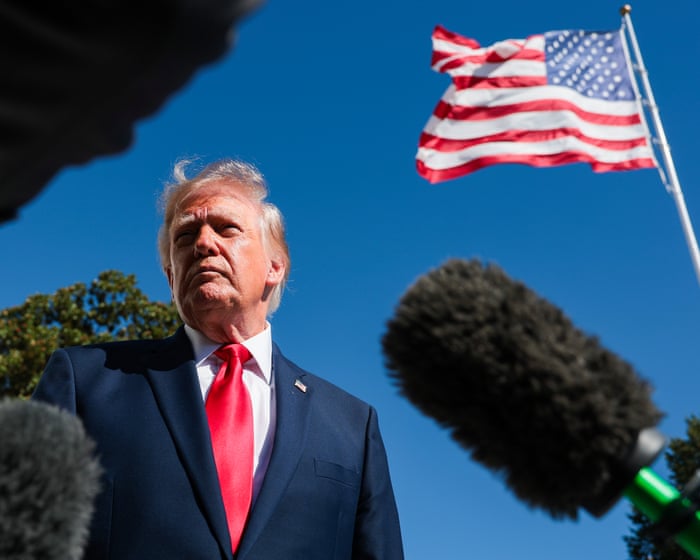
Trump says the US will not attack Iran before the Nov. 3 midterms and keeps the naval blockade in force
His post came a day after reports that the Pentagon told Central Command to finish preparing major combat; Brent crude jumped 4.4% to $104.60 on those reports.
- Sept. 14 — An Iranian cruise missile hit a ship carrying eight US Marines in the Strait of Hormuz; the Pentagon never announced it. - Sept. 27 — Trump rejected Iran's offer to reopen Hormuz within seven days if the US ended its blockade; the WSJ said he told staff bombing was probable after the elections. - Sept. 29 — Iran's UN delegation said it had no talks planned with the US and flew home; mediators kept working. - Sept. 30 — A Qatari compromise stalled, and Trump denied aides' account that he had offered Iran sanctions relief. - Oct. 1 — The Pentagon said the last US troops had left Iraq, ending the anti-ISIS mission. - Oct. 2 — The Pentagon sent about 9,000 more sailors and Marines toward Iran; Secretary of State Marco Rubio ordered Iran's UN delegation out of New York. - Oct. 7 — The Pentagon told Central Command to ready strike options usable before Nov. 3; a congressional report counted 81 US aircraft and drones lost or damaged, up from 42 in May.
ContextThe blockade still uses force: over the past 12 weeks, Central Command reports 130 ships diverted, three disabled and 13 commercial vessels destroyed. EIA's weekly U.S. average retail diesel price rose from $3.81 a gallon on Feb. 23, the last week before the war, to $6.20 on Oct. 5. Trump's foreign-affairs approval stood at 29% in CNN's poll last month.
THE GUARDIAN11 sources