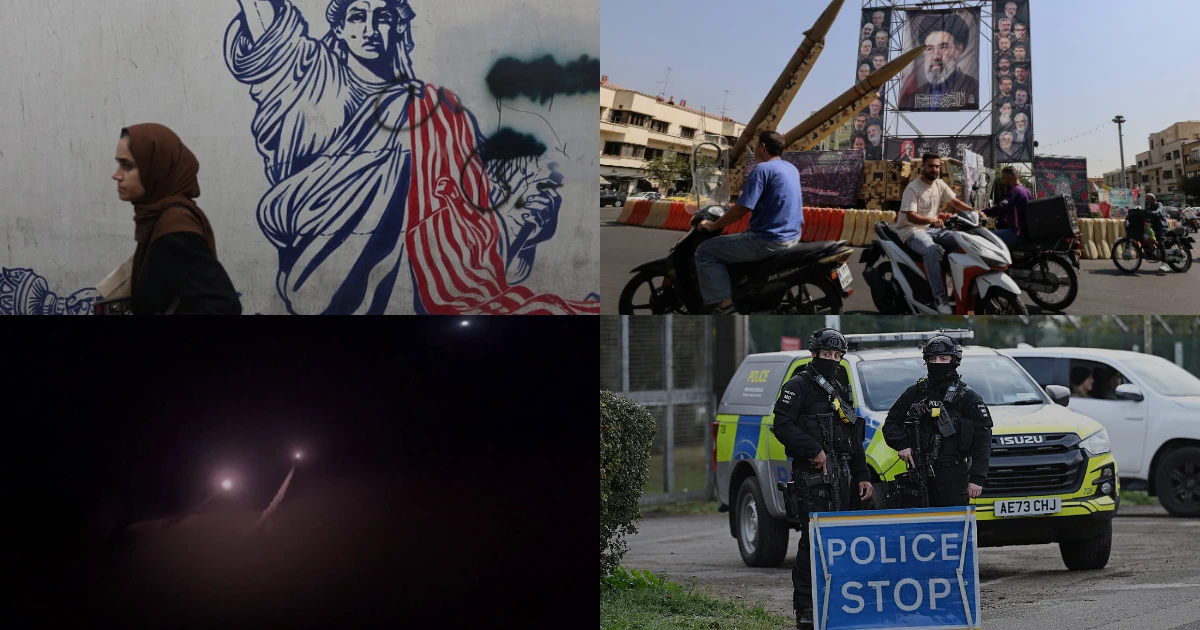
Iran says its UN delegation has no talks planned with the US and will fly home Tuesday, Sept. 29; mediators keep working
A White House official says Trump is open to sanctions relief in exchange for concrete progress on Iran's nuclear program.
- June 17 — The US and Iran signed a memorandum of understanding, brokered by Pakistan with Qatar as a guarantor, to halt the war and reopen the Strait of Hormuz. - June 29 — 63 of the 88 clerics on the Assembly of Experts (the body that picks the Supreme Leader) urged negotiators to hold to the previous Supreme Leader's "red lines." - July 8 — The memorandum collapsed when Iran fired on commercial ships in Hormuz. - Sept. 23 — Araghchi met Trump envoys Steve Witkoff and Jared Kushner in New York through Qatari, Pakistani and Egyptian mediators, the first indirect talks in months. - Sept. 26 — Trump rejected Iran's seven-day plan, which offered to reopen Hormuz within a week of a US deal. US Ambassador to the UN Mike Waltz said Iran wanted sanctions relief and frozen assets up front.
ContextSince the 2015 nuclear deal, the US and Iran have held at least 20 documented rounds of direct or mediated talks but signed only one document, the June memorandum. Iran's seven conditions include releasing frozen assets estimated at $12 billion or more, lifting oil sanctions and ending the US naval blockade. Before the war, roughly 20% of the world's oil and gas moved through Hormuz.
THE GUARDIAN10 sources